
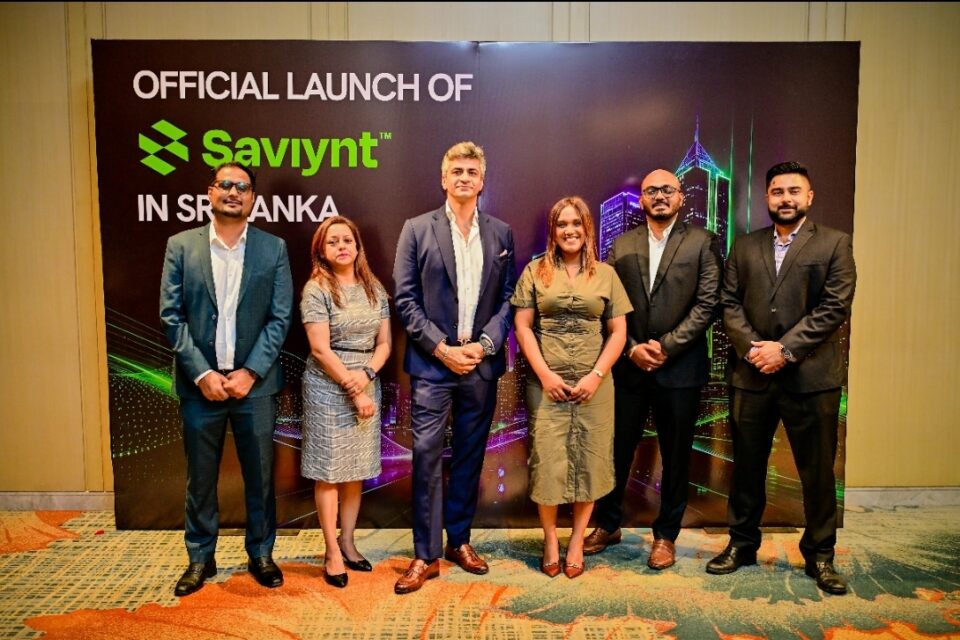
Identity Security Digital Trust Sri Lanka Gains Momentum as Saviynt Expands Through ORIN Partnership
As organizations across South Asia accelerate cloud adoption and digital transformation, identity governance has emerged as a critical business priority. Against this backdrop, the Identity Security Digital Trust Sri Lanka initiative announced by Saviynt and ORIN Corporation reflects a broader shift toward securing digital ecosystems while maintaining customer trust and operational agility.
Saviynt has appointed ORIN Corporation Pvt Ltd. as its exclusive distributor in Sri Lanka, extending the reach of its AI-powered identity security platform into a market experiencing rapid digital modernization. While the announcement focuses on cybersecurity, its implications extend far beyond technology infrastructure. Identity security increasingly influences customer trust, service continuity, regulatory compliance, and brand reputation.
“Identity governance is no longer just a security issue; it has become a customer experience requirement.”
Why Identity Security Digital Trust Sri Lanka Matters Now
Sri Lankan organizations are adopting cloud platforms, SaaS applications, automation tools, and emerging digital technologies at an accelerating pace. However, this expansion creates new governance challenges.
Modern enterprises must manage identities across employees, contractors, vendors, partners, applications, service accounts, and machine-driven processes. Simultaneously, decentralized technology adoption often reduces visibility and increases access-related risks.
Consequently, identity has become a strategic control layer rather than an administrative function.
The Identity Security Digital Trust Sri Lanka partnership addresses this challenge by providing local enterprises access to Saviynt’s converged identity security platform. The offering includes Identity Governance and Administration (IGA), Cloud PAM, Autonomous Access Governance (AAG), and broader identity security capabilities designed to strengthen governance and reduce risk.
Moreover, local distribution enables enterprises to access implementation expertise and ongoing support without relying solely on remote resources.
Identity Security Digital Trust Sri Lanka and the Customer Experience Connection
Many organizations still separate cybersecurity discussions from customer experience strategies. However, the two increasingly overlap.
Customers expect uninterrupted access to digital services. They expect organizations to protect sensitive information. They also expect businesses to maintain reliability during periods of rapid innovation.
When identity governance fails, customers experience account compromise, service disruption, delayed onboarding, and reduced trust.
Therefore, identity security directly contributes to experience quality.
“The strongest customer experiences often depend on security capabilities that customers never see.”
By improving visibility into access permissions and identity activity, organizations can reduce operational friction while maintaining security controls. This balance supports both business growth and customer confidence.
Furthermore, strong identity governance enables organizations to implement Zero Trust frameworks without creating unnecessary barriers for users.
Saviynt’s Platform Strategy Extends Beyond Traditional Governance
Saviynt’s approach reflects a broader evolution within the identity security market.
Historically, enterprises deployed separate tools for identity governance, privileged access management, compliance, and access reviews. As environments became more complex, those disconnected systems created operational inefficiencies.
Saviynt’s strategy centers on convergence.
Instead of offering standalone products, the company integrates governance, privileged access controls, and autonomous access intelligence within a single architecture.
This positioning helps differentiate the company in a crowded cybersecurity landscape.
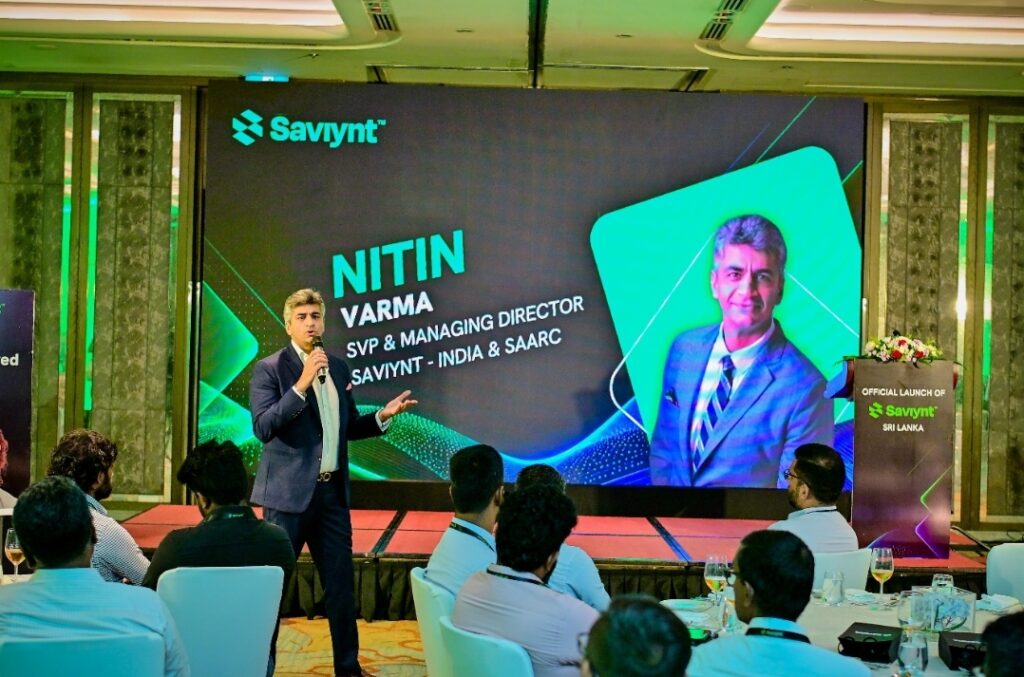
Nitin Varma, SVP & Managing Director, India & SAARC at Saviynt, said:
“Identity has become the control plane for modern enterprises. As organizations expand their digital ecosystems, the challenge is no longer simply managing user access, but gaining visibility and governance across an increasingly diverse identity landscape. Sri Lanka represents an important growth market for Saviynt, and ORIN is much more than a distribution partner for us. They will be a force multiplier in helping build awareness around modern identity security and digital trust while enabling organizations to securely support innovation, compliance, and business growth.”
Notably, the statement highlights a market reality that extends across the region. Organizations increasingly seek visibility and governance across both human and non-human identities.
“Visibility has become as important as access control in modern digital ecosystems.”
The Partner-First Expansion Model
The announcement also reinforces Saviynt’s partner-first growth strategy across Asia-Pacific and Japan.
Rather than building extensive direct operations in every market, the company relies on regional specialists with established customer relationships and local expertise.
Sandeep Anand, Partner Director, India & SAARC at Saviynt, explained:
“Our partner-first strategy is about more than expanding reach; it’s about helping organizations address the growing challenges of identity governance and access risk across their digital ecosystems. ORIN’s strong market presence, technical expertise, and trusted customer relationships make them an ideal partner to help build awareness around modern identity security and digital trust. Together, we will help Sri Lankan enterprises strengthen their identity security posture across both human and non-human identities.”
This model offers strategic advantages.
Local partners understand regulatory expectations, business culture, procurement processes, and implementation requirements. As a result, organizations can accelerate deployment while reducing adoption friction.
Meanwhile, cybersecurity vendors gain stronger market penetration and improved customer engagement.
“Regional expertise remains a critical success factor in cybersecurity adoption.”
Building Digital Trust Through Local Expertise
The Identity Security Digital Trust Sri Lanka initiative also highlights the growing importance of localized support in cybersecurity adoption.
Enterprise buyers increasingly expect technology vendors to provide regional expertise alongside global capabilities.
ORIN Corporation’s role extends beyond software distribution. The company will provide technical guidance, sales enablement, and go-to-market support designed to help customers maximize value from identity security investments.
Rehan Ariyaratne, Chief Operating Officer at ORIN Corporation Pvt Ltd., said:
“As Sri Lankan organizations continue to modernize their operations, managing identities across users, applications, and digital services has become increasingly important. Our partnership with Saviynt enables us to bring a market-leading identity security platform to local enterprises while helping them strengthen governance, improve visibility, and establish the digital trust needed to support long-term growth and innovation.”
His comments underscore an important trend. Organizations increasingly view digital trust as a prerequisite for innovation rather than a by-product of security investment.
“Digital trust has become a growth enabler, not merely a risk-management objective.”
What Enterprise Leaders Should Watch Next
The broader significance of this announcement extends beyond Sri Lanka.
Identity security continues to move toward the center of enterprise technology strategy. AI adoption, cloud migration, and digital ecosystem expansion all increase the complexity of identity governance.
As a result, organizations require solutions that provide visibility, automation, compliance support, and risk management across increasingly diverse environments.
The Identity Security Digital Trust Sri Lanka partnership reflects these evolving priorities. It also signals growing demand for integrated security architectures capable of supporting innovation without compromising governance.
“The next phase of digital transformation will depend as much on trusted identities as on technology innovation itself.”
For customer experience leaders, the message is equally significant. Strong identity governance supports secure interactions, protects sensitive information, reduces disruption, and strengthens trust. Consequently, identity security is becoming a foundational element of long-term customer experience strategy.
