
India’s Energy Crisis Spurs a CX Inflection: Piped Natural Gas as a Resilience Strategy
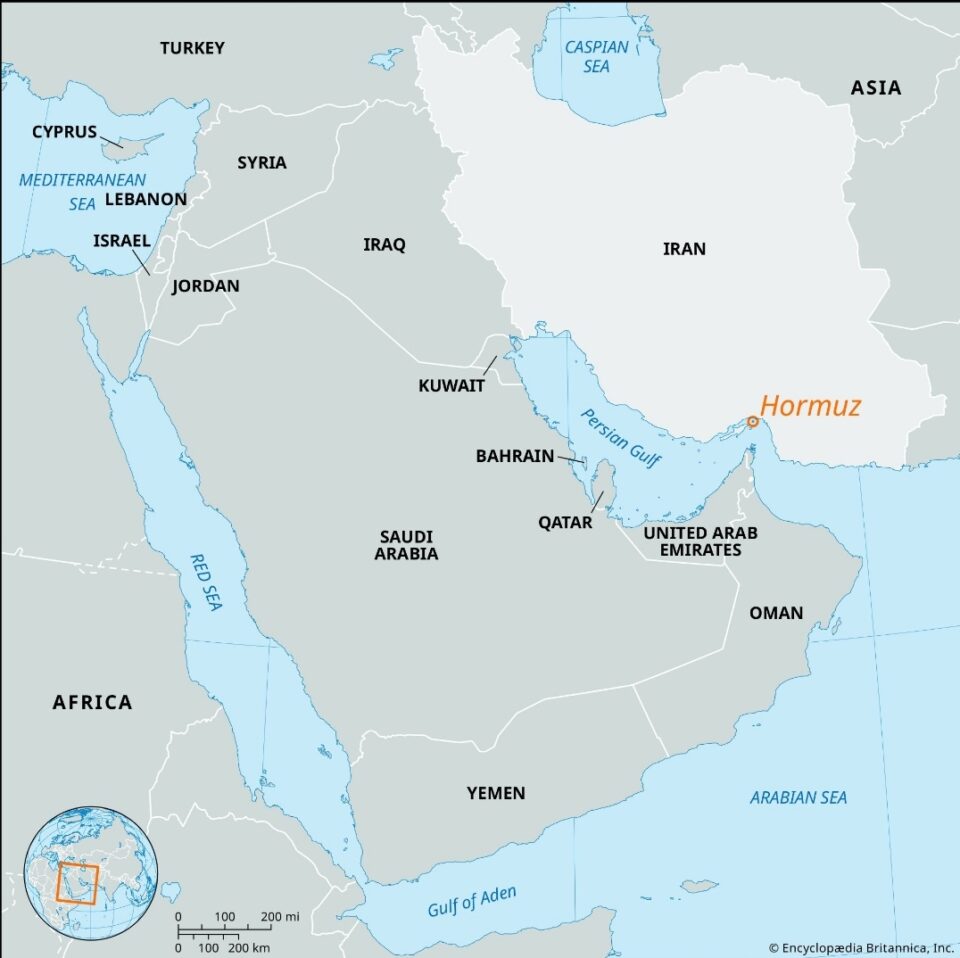
India’s energy ecosystem is confronting a structural stress test. Disruptions to LPG supply routes through the Strait of Hormuz have exposed the fragility of import-dependent household energy. With over 330 million households reliant on LPG, the government’s response has been decisive: accelerate imports from the United States, compress infrastructure approvals into 24-hour cycles, and fast-track the nationwide expansion of piped natural gas (PNG).
But beyond energy security, this is a defining moment for Customer Experience (CX) in utilities.
“CX leaders must integrate supply chain resilience into core metrics.”
Piped Natural Gas: From Supply Shock to Experience Transformation
In today’s experience economy, reliability has emerged as a core CX metric—often outranking speed or cost. Nowhere is this more evident than in essential services. Cooking fuel, once a transactional utility, is being re-evaluated through the same lens as digital-first services: always-on, frictionless, and predictable.
India’s pivot to PNG reflects a deeper shift from episodic service delivery (cylinder booking, refill logistics, last-mile uncertainty) to continuous service access. The experience model evolves from “request and wait” to “always available”—a paradigm familiar to users of streaming platforms and e-commerce ecosystems.
This convergence of physical infrastructure and digital expectations marks a critical inflection point for CX leaders.
“Journeys simplify from cylinder hunts to tap-on access.”
Policy as a CX Enabler
India’s response demonstrates how regulatory velocity can directly shape customer experience outcomes. Measures such as waived road permissions, real-time approvals, and subsidy-linked PNG adoption are not just policy interventions—they are experience accelerators.
City Gas Distribution (CGD) players like Mahanagar Gas Limited are now positioned to scale rapidly in urban clusters. The shift transforms their role from commodity suppliers to experience orchestrators, managing long-term customer relationships rather than one-off transactions.
The strategic diversification away from Gulf suppliers—now reduced to roughly one-third of imports—toward US-linked supply chains further reinforces reliability. For customers, supply diversity translates into reduced anxiety and higher trust, two foundational pillars of CX.
“Policy levers prove effective for behavioral nudges.”
Engineering the Experience: Infrastructure Meets Intelligence
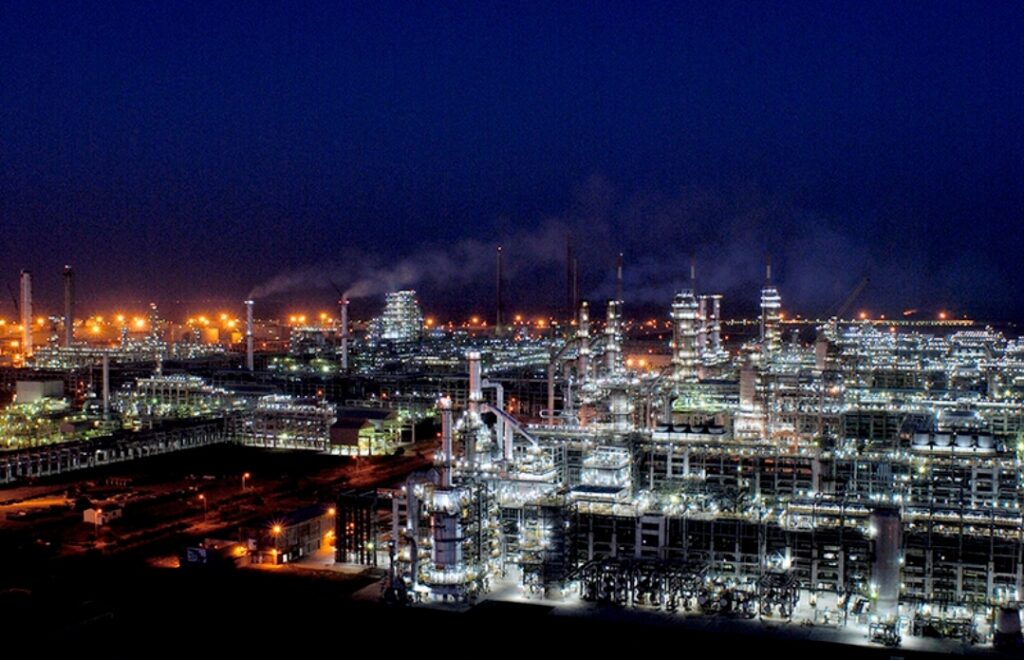
The technical backbone of this transformation lies in the rapid expansion of CGD networks, supported by high-capacity refining hubs such as Jamnagar Refinery.
However, infrastructure alone is insufficient. The real CX leap emerges from the integration of:
- Smart metering systems enabling real-time consumption visibility
- IoT-enabled pipelines for predictive maintenance and outage prevention
- Dynamic pricing models aligned with usage patterns
- Digital onboarding journeys that simplify migration from LPG to PNG
Even logistical adaptations—such as extending LPG refill cycles to 45 days in rural areas—reflect a nuanced approach to equitable experience design. This hybrid model balances immediate crisis mitigation with long-term system transformation.
“Reliability surges with domestic hikes, reducing outage anxiety.”
Redefining the Customer Journey
The shift from LPG to PNG fundamentally rearchitects the customer journey:
| Legacy LPG Experience | Emerging PNG Experience |
|---|---|
| Manual booking cycles | Always-on supply |
| Delivery uncertainty | Continuous pipeline access |
| Inventory anxiety | Real-time usage tracking |
| Transactional interaction | Persistent service relationship |
This transition eliminates multiple friction points—booking delays, stockouts, and delivery dependencies—while unlocking new CX capabilities such as personalized consumption insights and proactive service interventions.
Reliability as the New Differentiator
A critical CX outcome of this transition is the elevation of reliability from a background expectation to a primary value proposition. Domestic production increases of 38–40% further stabilize supply, reducing outage risks and reinforcing trust.
In CX terms, this represents a shift from service recovery models (fixing failures) to failure prevention models (designing out disruptions). The latter is significantly more impactful in building long-term customer loyalty.
Strategic Implications for CX Leaders
India’s response offers a blueprint for CX transformation under volatility:
- Infrastructure is Experience
Physical networks are no longer backend assets—they are frontline experience enablers. - Policy and CX Must Converge
Regulatory agility can compress experience transformation timelines dramatically. - From Transactions to Relationships
Persistent service delivery models create deeper engagement and higher lifetime value. - Resilience is a CX Metric
The ability to withstand disruption is now a measurable and marketable experience attribute.
The Road Ahead: Intelligent, Embedded CX
Looking forward, the energy sector is likely to integrate advanced technologies into its CX stack:
- AI-driven demand forecasting to anticipate consumption spikes
- Digital twins and simulation models to stress-test infrastructure resilience
- Blockchain-based provenance systems for supply transparency
- Immersive onboarding tools (AR/VR) to guide users through service transitions
The implication is clear: CX in utilities will no longer be confined to interfaces and touchpoints. It will be embedded within infrastructure itself—a seamless fusion of physical reliability and digital intelligence.
Conclusion: When Infrastructure Becomes Experience
India’s energy transition underscores a profound shift in how CX is conceptualized and delivered. In a world shaped by uncertainty, the most valuable customer experiences will be those that are not just seamless—but unfailingly reliable.
For CX leaders, the lesson is unambiguous: the future of experience design lies as much in pipelines and policies as it does in platforms and pixels.
Key Takeaways
- Diversify supply sources to de-risk geopolitics
Reduce overdependence on chokepoints like the by building multi-origin energy portfolios. - Mandate transitions to accelerate adoption at scale
Policy-backed shifts (e.g., LPG to PNG) can compress transformation timelines and drive mass behavioral change. - Leverage metered access for personalization
Smart metering turns utilities into data-rich services, enabling usage-based pricing and tailored CX interventions. - Operationalize crisis management with agile war rooms
Real-time command centers integrating supply, logistics, and customer communication are essential in disruption scenarios. - Track uptime as a core CX and loyalty metric
Reliability—measured through consistent service availability—becomes the strongest driver of trust and long-term retention.
