

Governing AI in Critical Infrastructure: A Customer Experience Imperative for the Indo-Pacific
In today’s hyper-connected world, customer experience (CX) and employee experience (EX) depend on more than just business touchpoints—they rely on the resilience and reliability of critical infrastructure. Imagine a power outage during peak hours, or delayed public transport due to system failures. These disruptions ripple directly into how customers perceive brands, cities, and services, challenging CX leaders to think far beyond conventional boundaries.
What few CX professionals fully grasp is the quiet revolution underway deep within the foundation of these services: artificial intelligence (AI) has become embedded in critical infrastructure systems like energy grids, water supplies, ports, and transportation hubs—especially across the Indo-Pacific region. The interplay of AI with ageing infrastructure, regional geopolitics, and fragmented regulatory environments creates both opportunities and risks that reverberate throughout CX ecosystems.
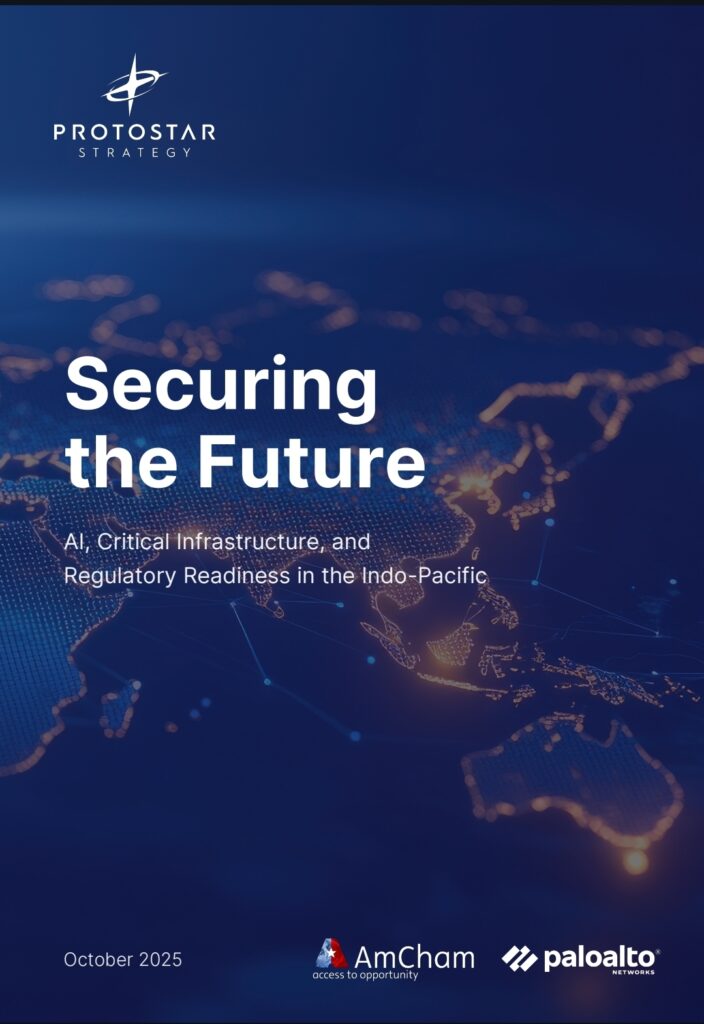
This article unpacks the findings of a landmark 2025 report by Protostar Strategy and Palo Alto Networks, which examines AI integration into critical infrastructure and regulatory readiness across Australia, India, Indonesia, and Singapore. CX leaders and professionals will find valuable insights on how this evolving landscape will affect the quality, security, and trust of customer and employee experiences—and what actionable steps to consider.
AI in Infrastructure: The New Backbone of CX and EX
The Indo-Pacific region is a global engine of digital innovation, but this rapid growth has layered AI technologies onto critical services at breakneck speed. From AI-driven flood forecasting in Jakarta to predictive energy grid management in New Delhi, AI algorithms optimize efficiency and resilience. However, AI’s duality—its potential for innovation and vulnerability—poses acute challenges.
Some AI systems govern operational technology (OT) that directly controls physical processes like water flow and power distribution. Failures here can cause physical disruptions such as blackouts or water shortages, hitting customers and employees first and hardest. Meanwhile, AI systems at the information technology (IT) layer support tasks like data analysis and intrusion detection, where errors cascade subtly but critically into operation.
CX and EX professionals must understand that AI failures in these layers don’t just cause inconvenience—they can degrade trust, safety, and satisfaction. For instance, a misrouted emergency call due to an unchecked AI anomaly could undermine public confidence overnight. This makes AI risk governance central to safeguarding the experience journey, extending well beyond traditional CX tools and processes.
The Fragmented Governance Challenge: A CX Risk Multiplier
A striking theme from the report is the fragmented AI regulatory landscape across the Indo-Pacific. Each country—Australia, India, Indonesia, and Singapore—has chosen different governance models reflecting political culture, technological maturity, and economic priorities.
- Australia takes a cautious, resilience-first approach, embedding AI oversight incrementally and linking regulatory efforts with cybersecurity safeguards.
- India accelerates digital growth with ambition but faces governance challenges due to federal fragmentation and nascent AI assurance frameworks.
- Indonesia experiences rapid private-sector AI deployment but struggles with weak regulatory scaffolding.
- Singapore pioneers advanced AI assurance frameworks linking governance with cyber resilience, positioning itself as a regional and global leader in AI assurance.
This regulatory patchwork raises risks for CX professionals in multinational corporations and governments who rely on cross-border infrastructure. Divergent frameworks create “seams” in assurance, complicating crisis response and enabling adversaries to exploit vulnerabilities. When infrastructure fails, customers and employees experience delays, outages, or compromised safety, damaging brand reputation and operational continuity.
Public-Private Collaboration: From Compliance to Co-Governance
Increasingly, critical infrastructure is operated by private entities using AI technology from globally distributed vendors. This disperses ownership and introduces accountability gaps: governments are accountable for service outcomes but often lack control or visibility into the AI systems themselves.
Current public-private partnerships (PPPs) in AI and infrastructure are mostly reactive or transactional, focusing on pilots with limited scalability or governance integration. The report emphasizes the need to transition from compliance-driven models to co-governance—formalized collaboration mechanisms for joint risk assessments, simulation exercises, and shared incident response.
For CX and EX, this means companies and governments must build trust-based relationships that allow proactive identification and management of AI risks. Early warning systems, transparency in AI operations, and joint preparedness drills can prevent disruptions that degrade customer and employee experiences.
Geopolitical Stakes and Digital Trust for CX
The Indo-Pacific’s infrastructure is a frontline in geopolitical rivalry, with superpowers competing for influence through technology investments and standards-setting. This competition shapes AI governance approaches and impacts the security and sovereignty of infrastructure systems.
For CX leaders, geopolitical positioning translates into digital trust or fragility. Customers expect uninterrupted services and secure data handling regardless of international tensions. Companies operating in this region must navigate the complexities of supply chain security, regulatory compliance, and cross-border data flows. Singapore’s leadership in using AI assurance as diplomatic currency exemplifies how trusted governance frameworks elevate not just national security but customer confidence as well.
Country Spotlights: Insights and Implications for CX Professionals
Australia:
Its steady, risk-aware AI governance applies rigorous cybersecurity frameworks, but AI-specific oversight lags behind AI adoption. CX leaders can learn from Australia’s incremental approach to resilience, linking innovation with mandatory industry testing, transparency, and sectoral collaboration. This balanced posture ensures service reliability, a core pillar of positive CX.
India:
India showcases scale and ambition but also regulatory fragmentation and capacity gaps. CX professionals working in India’s digital ecosystem should anticipate variability in AI risk management, requiring robust vendor due diligence and flexible CX strategies that account for government and regional diversity.
Indonesia:
Indonesia’s vibrant private AI sector creates innovation opportunities but exposes governance weaknesses. CX and EX teams must prioritize risk monitoring and foster public-private dialogue to elevate resilience in fast-evolving AI-driven infrastructure.
Singapore:
A governance laboratory, Singapore leads with proactive AI assurance and cyber-physical integration. CX and EX professionals can draw on Singapore’s example of embedding trust frameworks into operational systems, creating environments where innovation coexists with robustness and customer confidence is built into the infrastructure itself.
Practical Takeaways for CX and EX Professionals
The technical and regulatory complexities of AI-governed infrastructure may feel distant from the daily CX/EX agenda. However, this integration profoundly affects how customers and employees experience services, safety, and reliability. Here are key recommendations:
- Broaden CX Risk Frameworks: Integrate infrastructure AI risk into CX and operational risk management. Anticipate cascading impacts of AI failures on service delivery and brand trust.
- Advocate for Transparency: Promote supplier and partner AI model transparency and incident reporting to empower rapid response and root cause analysis.
- Engage in Cross-Sector Collaboration: Encourage joint forums with infrastructure operators, regulators, and technology vendors for shared scenario planning and vulnerability assessments.
- Invest in Resilience and Recovery: Prepare EX teams and customer support functions with AI-disruption protocols, ensuring rapid, empathetic responses during outages or anomalies.
- Monitor Regulatory Developments: Stay informed of evolving AI governance in key markets and adapt CX policies to comply with emerging norms and cybersecurity requirements.
- Leverage Digital Trust as a Differentiator: For customer-facing brands, communicate commitments to AI governance and infrastructure security as a trust-building measure in CX.
Conclusion: AI Governance as a CX Foundation
The future of customer experience in the Indo-Pacific depends not just on innovative products or services but on the resilient, secure, and well-governed infrastructure powered increasingly by AI. The region’s rapidly evolving AI governance landscape offers lessons, challenges, and opportunities for CX and EX professionals to shape extraordinary, reliable experiences amidst digital transformation.
By understanding regulatory diversity, fostering public-private collaboration, and embedding AI resilience into CX strategies, leaders can turn emerging risks into competitive advantages. The Indo-Pacific’s success in governing AI will define who controls digital trust—and that trust is the foundation of every customer experience.
If CX professionals shift their lens to encompass the invisible AI infrastructures underpinning service delivery, they will be better equipped to navigate a future where experience and infrastructure governance are inseparable. It’s not a question of if AI will rule the region’s vital systems, but whether CX leaders will govern its impact in time.
