
Borderless Advisory: CX Industry Context
As professional services firms expand globally, the traditional boundaries between onshore and offshore teams are dissolving. Organizations are moving toward integrated, borderless operating models where advisory capabilities are distributed yet unified. This shift is redefining customer experience—making it more seamless, insight-driven, and globally consistent.
Borderless Advisory: Leadership Perspective
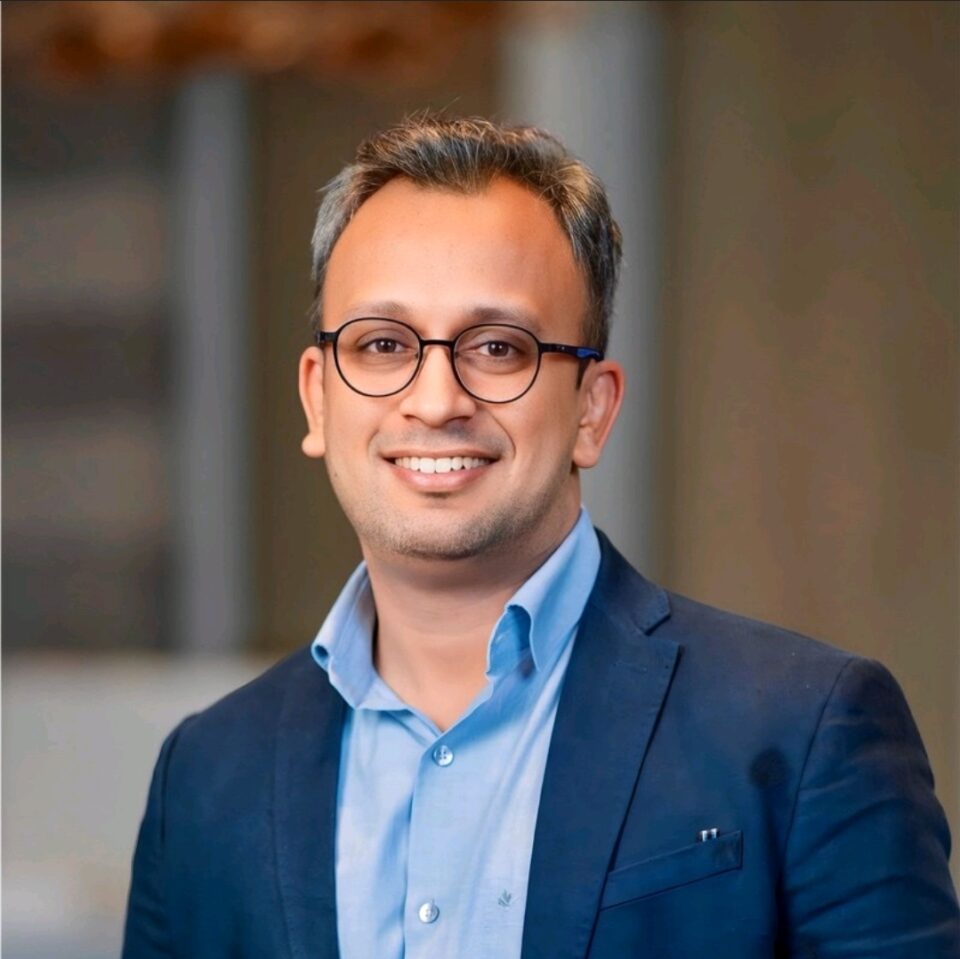
Raj Bansal, Executive Director and India Advisory Leader at Citrin Cooperman India, is at the forefront of this transformation. By aligning India and US teams across advisory functions such as Valuations, Transaction Advisory Services, Risk Advisory, Digital, and FAO, he is championing a model where geography no longer defines value. His approach positions India as a strategic partner, deeply embedded in delivering client outcomes.
Inside the Borderless Advisory Model: A CX Leadership Conversation
Exclusive Interview: Raj Bansal, Executive Director and India Advisory Leader at Citrin Cooperman India
Redefining Advisory in a Borderless World
Q1. You advocate for a “borderless advisory platform.” What does this mean in practical terms for client experience and service delivery?
RB: I have always been a firm believer in the depth of Indian talent. When we pair that capability with the right opportunities and required training, the potential is limitless.
A truly borderless advisory platform means clients experience one unified Citrin Cooperman team. They should simply feel that the best people are working together to solve their problem, not separate groups defined by geography.
This requires moving from a geography-based delivery model to a capability-driven one. Work should align with expertise, context, and client needs. In many service areas, we’re already operating this way. For clients, the value is unmistakable: faster execution, deeper expertise, and seamless, consistent experience.
“Clients should experience one unified team—not groups defined by geography.”
Q2. How is the shift from a location-based model to a capability-based model changing the way clients perceive value?
RB: Clients today are much less focused on where the work is being done and much more focused on the quality of insight, speed of execution, and overall business impact. That is where a capability-based model changes the conversation.
Instead of asking, “Which office is doing this work?” clients increasingly ask, “Do you have the right team to solve this well?” That is a big shift. It allows us to bring together the strongest mix of talent across geographies and disciplines.
We are already seeing this in practice. In many areas, India is deeply integrated, and India teams are leading from the front i.e., the majority of execution is done from India. These cases are changing perception. Clients are increasingly seeing India as a strategic capability hub, not just a delivery center.
“Clients now value insight, speed, and impact—not location.”
India as a Strategic CX Partner
Q3. You emphasize that India functions as a strategic partner rather than a support center. What organizational and cultural changes are required to enable this shift?
RB: This shift requires both structural and cultural change. Structurally, India teams need earlier involvement in engagements, better access to client context, and participation in planning and problem solving, not just execution. They need visibility into the “why,” not just the “what.”
Culturally, the bigger shift is around trust and expectations. If India is seen only as a support function, that mindset limits contribution. But if teams are empowered to think, challenge, and lead, the model changes completely.
We have already seen this happen in practices like Digital Services, Transaction Advisory Services, and Valuations where India teams often play a central role in shaping and delivering client solutions. The same is true in FAO and in several cross-border advisory workflows, where India teams carry a significant share of delivery and increasingly contribute to decision making, process improvement, and client outcomes.
“India must move from execution support to strategic contribution.”
Q4. How do you ensure that India-based teams are not just executing but actively shaping client outcomes and strategy?
RB: The answer is simple: involvement, ownership, and exposure.
If teams are brought in only after the direction is already decided, they will naturally remain execution focused. But when they are included in planning discussions, problem-solving sessions, review meetings, and client context conversations, they begin to think differently.
They start contributing not just to tasks, but to outcomes. We (India and US team leadership both) encourage our teams to ask questions, challenge assumptions respectfully, and bring ideas forward. Over time, that builds confidence and changes the role they play.
Integrating Advisory Capabilities for CX Impact
Q5. With diverse practices like Valuations, TAS, Risk Advisory, and Digital under your leadership, how do you create a unified, seamless experience for clients?
RB: Our diversified skill set is what makes Advisory so powerful. We have finance professionals, engineers, automation specialists, and platform experts spread across Valuations, TAS, Risk, FAO, and Digital. With a capability this broad, the possibilities are endless.
The most important thing we do is make sure clients experience one unified Advisory team, no matter how diverse the capabilities behind the scenes may be. Valuations, TAS, Risk, FAO and Digital all bring different strengths, but clients shouldn’t have to navigate that complexity. They should simply feel supported by the right experts at the right time.
That requires strong internal alignment, regular collaboration, and a clear focus on the client outcome rather than functional boundaries. We work to connect teams early, define roles clearly, and ensure everyone understands the bigger picture.
“Clients should feel one advisory team, regardless of internal complexity.”
Q6. Can you share an example where cross-functional global collaboration significantly enhanced client outcomes or decision-making?
RB: One of the best examples we’ve seen recently is a Digital transformation project where our U.S. and India teams partnered seamlessly across implementation, automation, and integration. What began as a narrowly defined engagement evolved into a much broader solution because the teams operated as one borderless unit.
By combining functional expertise, on-shore client context, and offshore digital capability, we unlocked new automation opportunities, identified future phase enhancements, and reshaped how the client thought about their own operations. This kind of cross-functional global collaboration is exactly where advisory is headed—solving bigger problems by bringing the best minds together, regardless of geography.
That kind of collaboration gives clients better decisions, faster execution, and fewer surprises later. It also reinforces the value of an integrated advisory model.
“The best outcomes come from truly borderless collaboration.”
Digital, Risk, and the Future of CX
Q7. How are digital transformation and risk advisory influencing the expectations clients have from professional services firms?
RB: Clients today expect much more than traditional advice. They want firms that can help them move faster, make better decisions, and anticipate risk before it becomes a problem.
Digital transformation has raised expectations around speed, visibility, automation, and better use of data. Risk advisory has also evolved; clients now see risk not just as a compliance topic, but as a business resilience and decision-making issue.
This is where our broader strategy becomes important. AI has moved from concept to real impact. The real differentiator now is not just using AI but embedding it into the core operating model of services. At Citrin Cooperman, we are making strategic investments to elevate client experience, automate core workflows, and modernize our data platforms.
That is helping us move toward more intelligence-led, insight-driven advisory.
“AI must be embedded into the operating model—not treated as an add-on.”
Q8. In what ways can advisory services proactively shape customer experience rather than react to business needs?
RB: Advisory creates the most value when it helps clients think ahead, not just responding after an issue appears. That means identifying risks early, improving processes before they break, strengthening controls, redesigning workflows, and using data to make better decisions.
This is especially true in areas like digital transformation, automation, and risk. Instead of waiting for clients to come with a problem, we should be helping them see what is coming next and where they need to adapt.
That is also where AI and data-led advisory become powerful. We can move from static, one-time advice to a more continuous and proactive model. For the client, that creates a much better experience because they are getting clarity and support before challenges become urgent.
Talent, Culture, and Global Alignment
Q9. Building a borderless organization requires a shift in mindset. How do you align talent across geographies to think and operate as one unified team?
RB: It starts with a shared purpose and a shared standard. People need to feel they are part of one team serving one client, not separate teams in different locations. That sounds simple, but it takes deliberate effort.
You need common goals, strong communication, role clarity, and regular collaboration. But just as importantly, people need exposure to each other’s work, context, and expectations. The more they solve problems together, the more naturally they begin to operate as one team.
We have seen this clearly in practice where integration is already high. In Digital Services, collaboration across geographies is often very mature, with India playing a meaningful role in delivery and sometimes leading engagements. Those examples help reinforce what a truly borderless model can look like.
Q10. What role does leadership play in fostering shared accountability between India and US teams?
RB: Leadership plays a central role, because teams usually mirror what leaders model. If leaders operate in silos, protect territory, or treat global teams differently, that behavior flows down quickly. But when leaders genuinely promote collaboration, shared ownership, and mutual respect, it creates the right culture.
Shared accountability becomes real when both India and US teams feel equally responsible for client outcomes. Leadership must create that environment by aligning goals, encouraging joint problem solving, and recognizing contributions fairly across geographies.
In my view, leadership also has to remove the invisible hierarchy that sometimes exists in global models. Once that barrier is removed, teams collaborate much more naturally, and clients get a better result.
Scaling Insight-Driven CX
Q11. As advisory services become more insight-led, how do you ensure consistency in quality and depth across global teams?
RB: Consistency comes from a combination of strong processes and strong capability building. You need clear standards, review mechanisms, knowledge sharing, and continuous feedback. But the process alone is not enough.
To deliver real insight, teams need context, judgment, and business understanding. That means investing in training, giving people exposure to broader engagement discussions, and helping them understand not just what they are doing, but why it matters to the client.
As AI becomes more embedded in services, this becomes even more important. Technology can improve speed and productivity, but the real quality still comes from people who can interpret, challenge, and apply insights in the right way.
“Insight-driven advisory requires context, not just capability.”
Q12. Looking ahead, what key trends will define the next phase of CX in global advisory services?
RB: I see a few major trends shaping the next phase.
First, AI-first advisory will become standard. Firms will increasingly embed AI into delivery models to improve speed, insight, and decision support.
Second, borderless delivery models will become the norm. Firms will operate as more integrated global platforms, and India will play a much more strategic role, especially in analytics, digital, AI-enabled services, and scaled advisory delivery.
Third, clients will increasingly expect outcome-based engagement. They will measure value by business impact, not by effort or billable hours.
And finally, clients will expect advisory to be more connected, more proactive, and more seamless across capabilities. The firms that can combine human judgment, technology, and global integration most effectively will stand out.
For me, the real excitement lies in building India as a global engine of borderless talent, where capability, not geography, drives the future of advisory excellence.
“The future belongs to firms where capability—not geography—defines value.”
The CX Shift: From Geography to Capability
The future of customer experience in professional services is being shaped by a powerful idea: the elimination of boundaries. Raj Bansal’s vision of a borderless advisory platform at Citrin Cooperman India reflects a fundamental shift—from fragmented global operations to fully integrated, capability-driven ecosystems.
In this model, geography becomes irrelevant. What matters instead is the seamless alignment of expertise, insight, and execution. By integrating advisory functions across India and the US, Bansal is enabling a unified approach where clients benefit from global thinking delivered with consistency and depth.
This transformation is particularly significant in advisory services, where the value lies not just in execution but in interpretation, foresight, and strategic guidance. By positioning India as a co-creator of value rather than a support function, Citrin Cooperman is redefining how global firms deliver customer experience.
At the heart of this shift is a strong emphasis on collaboration, digital enablement, and shared accountability—elements that ensure clients receive not just services, but solutions that are holistic, timely, and impactful.
CX Leadership Takeaways
- Borderless operating models create seamless and consistent client experiences
- Advisory services must evolve from execution to insight-driven engagement
- Cross-functional collaboration enhances both speed and quality of outcomes
- Positioning India as a strategic partner unlocks significant CX value

CXQuest Editorial Perspective
Raj Bansal’s perspective underscores a critical evolution in global business: customer experience is no longer tied to geography but to integration. Organizations that can align capabilities across borders—while maintaining consistency and insight—will define the next era of CX leadership.
CXQuest Perspective Add-on:
In a borderless world, competitive advantage will belong to firms that can seamlessly align global talent, technology, and insight into a unified customer experience.
3 Strategic Takeaways for CX Leaders
- A borderless advisory model enhances both efficiency and customer experience
- Integrated capabilities across geographies lead to better strategic outcomes
- The future of CX in professional services lies in insight-led, collaborative delivery
