
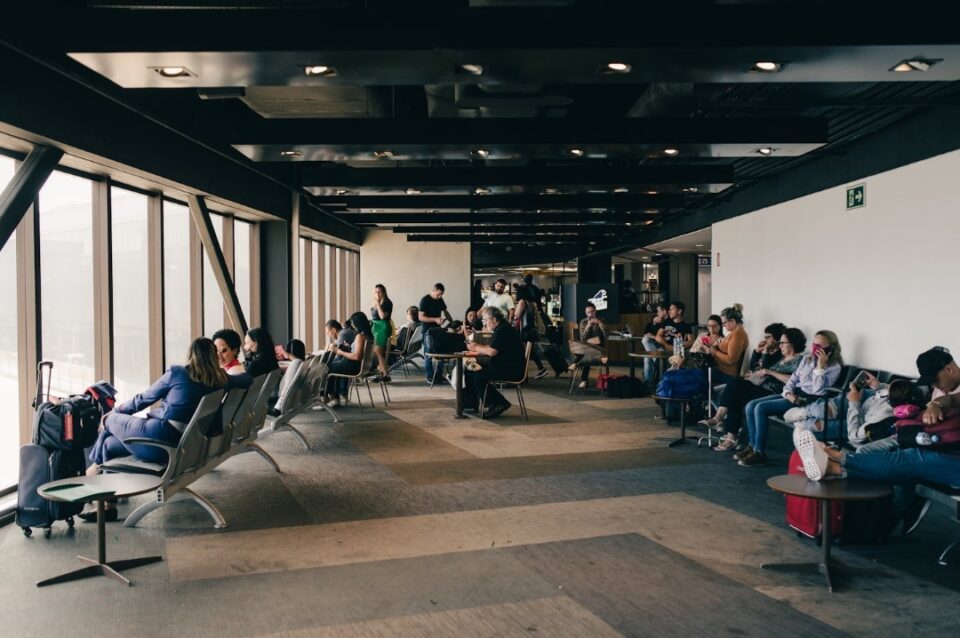
Imagine a busy airport terminal at rush hour. Travelers rush to check-in counters, only to face snaking lines and frustrated staff juggling manual routing. One delayed kiosk fix cascades into missed flights and angry reviews. Sound familiar?
Customer flow optimization fixes these chaos points in real time. It boosts CX scores and cuts costs through smart tech and data.
What Is Customer Flow Optimization and Why Do CX Teams Need It?
Customer flow optimization streamlines every customer touchpoint from entry to exit. CX teams need it to slash wait times by 30-50% and lift satisfaction scores.
This approach maps journeys, spots bottlenecks, and deploys tech like AI routing. Siloed teams waste 20% of effort on misrouted cases. Optimization unites them for fluid experiences.
Data shows optimized flows raise retention by 15%. Airlines and retailers lead with real metrics.
How Do Bottlenecks Kill Customer Experience?
Bottlenecks create frustration at key stages like check-in or service routing. They fragment journeys, erode trust, and spike churn.
Long queues signal poor service. Customers abandon 70% of waits over 5 minutes. Staffing mismatches worsen this—overworked teams burn out fast.
Post-service follow-ups often fail too. No feedback loop means repeat issues. CX leaders face siloed data gaps here.
What Real-World Example Shows Optimization in Action?
FC Barcelona Megastore transformed chaos into flow with Wavetec’s Donatella digital signage. Crowds once bottlenecked at entrances and checkouts.
They placed interactive displays for real-time directions to product zones. New arrivals and exclusives drew 25% more foot traffic. Customers explored freely, sales jumped.
Self-service kiosks cut checkout lines by distributing load. Space opened for displays, easing movement.
How Did Carrefour Optimize Checkout Flow?
Carrefour tackled peak-hour crowding with Wavetec kiosks across the store. Traditional counters choked high-traffic zones.
Kiosks freed space for promotions. Customer movement smoothed, satisfaction rose 40%. No more cramped displays or rushed buys.
This cut perceived wait times sharply. Shoppers browsed longer, conversions climbed.
Why Did Northgate Markets Choose Queue Management?
Northgate Markets, a Hispanic supermarket chain, fought meat section lines. Customers ditched carts mid-shop from long waits.
Wavetec’s system added ticketing kiosks, SMS updates, and signage. Virtual queues let shoppers roam while waiting. Real-time alerts boosted completion rates.
Satisfaction scores hit new highs. Operations gained efficiency without extra staff.
What Role Does Staffing Allocation Play?
Staffing allocation matches people to demand peaks. AI predicts flows from historical data.
Target used heat maps for this. Analytics spotted dead zones, redesigned layouts boosted traffic 20%.
Manual guesses fail. Dynamic tools reroute staff in real time, filling gaps fast.
How Can Post-Service Follow-Up Close the Loop?
Follow-ups turn transactions into loyalty. Automated texts or emails gauge satisfaction instantly.
Consum supermarkets added LCD queue displays. Real-time wait info cut frustration, repeat visits grew.
Personalized nudges recover 15% of at-risk customers. Track NPS here for quick wins.
What Tech Powers Modern Flow Optimization?
AI and IoT lead the charge. Sensors track movement, algorithms route services.
Queue Management Systems (QMS) virtualize lines. Digital signage guides flows visually. Clarify’s CRM unifies data across silos.
Omnichannel tools blend in-store and app experiences. No fragmentation.
Key Insights from Top Performers
- Data drives decisions. Heat maps reveal hidden patterns.
- Tech scales humans. Kiosks handle volume, staff focuses on complex needs.
- Measure everything. Track wait times, conversion lifts, NPS shifts.
- Iterate fast. Weekly tweaks beat yearly overhauls.
Retailers like Target prove small changes yield big gains.
Common Pitfalls CX Leaders Must Avoid
Siloed teams ignore upstream fixes. AI gaps leave routing manual. Journey fragmentation hits omnichannel brands hard.
Over-rely on tech without training. Staff resist change, flows stall.
Skip metrics. Gut feels mislead—always benchmark.
Actionable Framework: The FLOW Model
Flow-map every stage. Chart check-in to exit.
Locate bottlenecks. Use heat maps and logs.
Optimize with tech. Deploy kiosks, AI routing.
Watch and adjust. Daily dashboards guide staffing.
This model cut Carrefour’s chaos dramatically.
| Stage | Bottleneck | Fix | Impact |
|---|---|---|---|
| Check-in | Long lines | Self-service kiosks | 40% faster |
| Routing | Manual dispatch | AI algorithms | 25% efficiency gain |
| Staffing | Peak mismatches | Predictive analytics | 20% better coverage |
| Follow-up | No automation | SMS surveys | 15% retention lift |
Why AI Closes Gaps for CX Pros?
AI predicts flows from weather to events. It routes services dynamically.
Chatbot flows cut service waits. Rasa examples show 50% resolution boosts.
No more siloed guesses. Unified data powers it all.
Expert Quotes on Flow Wins
“Wavetec signage turned explorers into buyers.” – FC Barcelona team.
“Virtual queues freed our store.” – Northgate execs.
“Data heat maps redesigned success.” – Target analysts.
Trends Shaping 2026 Flows
Agentic AI takes over routing. Edge computing speeds IoT sensors.
Hyper-personalization via real-time data. Post-quantum blockchain secures flows. CXQuest hubs track these shifts.

FAQ
How does customer flow optimization differ from journey mapping?
Flow optimization adds real-time execution to static maps. It deploys tech for dynamic fixes, slashing waits where mapping spots pain. Retail cases like Carrefour show 40% gains from this active layer.
What metrics prove flow optimization success?
Track wait times, throughput, NPS, and conversion rates. Northgate’s SMS system lifted satisfaction 35% via reduced abandonment. Heat maps add foot traffic insights for full ROI.
Can small businesses afford flow tech like kiosks?
Yes—cloud QMS starts at $500/month. Consum scaled linearly, cutting staff needs 15%. Start with signage, add AI later for phased wins.
How does AI staffing beat manual allocation?
AI forecasts peaks from data patterns. Target’s maps rerouted staff, boosting coverage 20%. Humans miss nuances; AI scales perfectly.
What if teams resist flow changes?
Train with pilots—show Carrefour’s space wins. Involve staff in mapping for buy-in. Metrics silence doubters fast.
How to integrate post-service follow-ups seamlessly?
Automate via CRM triggers. Northgate’s alerts recovered 10% lost sales. Personalize by journey data for emotional closes.
Actionable Takeaways
- Map your flow today. Sketch check-in to exit in 30 minutes. Spot top 3 bottlenecks.
- Pilot kiosks at peaks. Test one zone like Carrefour—measure wait drops weekly.
- Deploy heat map tools. Free trials track traffic; redesign dead spots fast.
- Automate routing with AI. Link CRM to dispatch—cut manual errors 30%.
- Predict staffing needs. Use historical data for dynamic shifts, like Target.
- Launch SMS follow-ups. Survey post-service; act on feedback daily.
- Unite silos via dashboards. Share real-time metrics across teams.
- Benchmark weekly. Aim for 20% efficiency lifts—iterate or pivot.
