
Cloud-native application protection platforms (CNAPP) are gaining attention across the technology landscape.
Cloud Security Platforms Gain Strategic Importance for Digital Customer Experience
Cloud infrastructure has become the backbone of modern digital services, supporting everything from online banking and retail platforms to enterprise software and streaming applications. As organizations expand their cloud footprints, managing security risks across increasingly complex environments has become a critical operational challenge.
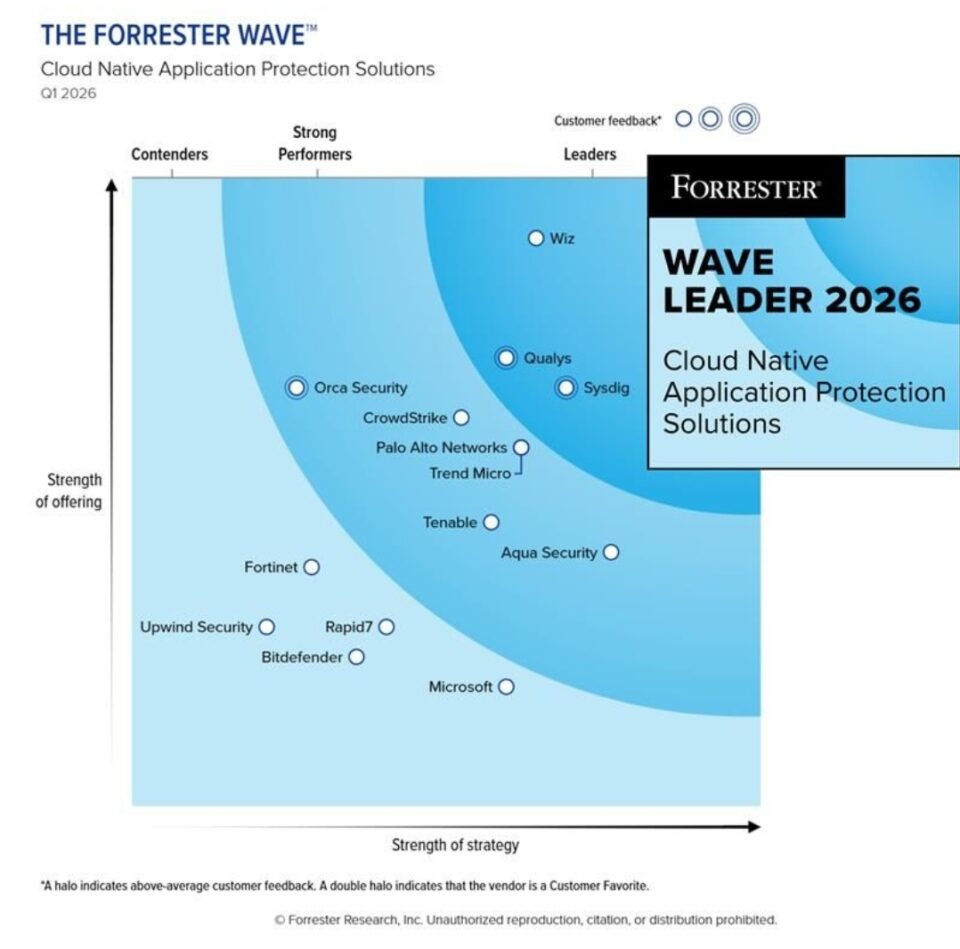
Against this backdrop, cybersecurity provider Qualys has been named a Leader in the The Forrester Wave™: Cloud-Native Application Protection Solutions (CNAPP), Q1 2026 evaluation conducted by Forrester. The assessment reviewed 14 vendors across multiple criteria including product capabilities, strategy, ecosystem partnerships, and customer feedback.
While analyst recognitions often focus on technical performance, the broader significance of the CNAPP market lies in its growing role in enabling reliable and secure digital experiences.
Digital Transformation Raises the Stakes for Cloud Security
Customer experience today is deeply intertwined with digital infrastructure. As organizations migrate applications and services to cloud platforms, the reliability and security of those systems directly influence how customers interact with brands.
The rapid adoption of hybrid and multi-cloud environments has introduced new operational complexities. Enterprises often manage workloads across multiple cloud providers, containers, and microservices architectures. Each layer introduces potential vulnerabilities—ranging from configuration errors and identity exposures to software supply-chain risks.
For CX leaders, these risks translate into tangible business concerns. Security breaches or service outages can disrupt customer journeys, damage brand reputation, and erode trust. In industries such as financial services, healthcare, and e-commerce, even short periods of downtime can significantly impact revenue and customer loyalty.
As a result, technology leaders are increasingly seeking unified security frameworks that provide comprehensive visibility and risk management across cloud environments.
Cloud-native application protection platforms have emerged as one approach to addressing this challenge.
A Platform Strategy for Cloud Risk Management
At the center of Qualys’ strategy is the Qualys Enterprise TruRisk Platform, which integrates multiple security capabilities within a single operational environment.
CNAPP solutions typically combine several components that were previously delivered as separate tools. These include cloud security posture management (CSPM), workload protection, vulnerability management, and runtime monitoring. By consolidating these functions, organizations can analyze risks across the entire cloud lifecycle—from development pipelines to live production systems.
According to the evaluation, the platform’s architecture emphasizes centralized administration and governance. Features such as role-based access controls, identity federation, audit logging, and unified policy management allow security teams to manage risk across multiple cloud environments through a single interface.
From a strategic standpoint, the approach reflects a broader trend in enterprise technology: reducing operational fragmentation by adopting platform-based architectures.
For organizations managing thousands of workloads across multiple cloud providers, centralized governance can simplify compliance processes and improve coordination between security, operations, and development teams.
Flexible Security Deployment Models
Another aspect highlighted in the evaluation is the platform’s ability to support multiple scanning and assessment methods.
Through its FlexScan™ capability, organizations can assess cloud environments using agent-based monitoring, API-driven snapshot analysis, and network-based scanning. These approaches allow enterprises to tailor security coverage to different infrastructure scenarios without sacrificing visibility.
In practice, this flexibility can be important for large enterprises where workloads vary widely—from legacy virtual machines to containerized microservices.
The company has also introduced a flexible licensing structure through the QFlex™ licensing model. Instead of purchasing separate licenses for individual capabilities, customers can allocate platform usage across different modules depending on evolving operational needs.
This model reflects a growing emphasis on consumption-based pricing across enterprise software, where organizations prefer adaptable licensing frameworks that can scale with digital transformation initiatives.
The Role of AI in Security Operations
Artificial intelligence is also beginning to influence cloud security management.
Within the platform, AI-driven capabilities are designed to help security teams prioritize risks, automate remediation workflows, and analyze security data more efficiently. These tools aim to reduce the manual workload associated with monitoring large cloud environments.
The company’s Cyber Risk Marketplace concept introduces specialized digital agents that focus on different aspects of risk management—from discovery to remediation.
While AI in cybersecurity remains an evolving field, the integration of automation and machine-assisted analysis is becoming increasingly common. For large organizations managing complex infrastructures, these technologies may help accelerate response times and reduce the likelihood of vulnerabilities remaining unaddressed.
Implications for Customer Experience
Although cloud security platforms operate primarily behind the scenes, their impact on customer experience is increasingly visible.
Modern customer journeys rely heavily on digital systems that must remain continuously available and secure. Whether customers are accessing financial accounts, making online purchases, or streaming digital content, they expect services to function reliably without disruptions.
Security incidents can undermine this expectation quickly. Data breaches expose sensitive customer information, while infrastructure failures can interrupt transactions or degrade application performance.
By providing unified visibility across cloud environments, platforms such as the Qualys Enterprise TruRisk Platform aim to help organizations detect vulnerabilities earlier and resolve issues before they affect customers.
From a CX perspective, the value lies in operational stability. Reduced downtime, faster incident response, and improved compliance processes all contribute to more consistent digital service delivery.
For customer-facing organizations, these improvements can translate into stronger trust relationships with users who rely on secure and uninterrupted digital services.
CNAPP: A Changing Competitive Landscape
The recognition of leaders in the CNAPP market also reflects broader changes in the cybersecurity industry.
Traditional security solutions often focused on individual layers of the technology stack. However, cloud architectures require a more integrated approach. Security vendors are therefore expanding their offerings to cover multiple aspects of the cloud lifecycle within unified platforms.
This shift is influencing how enterprises evaluate technology providers. Rather than purchasing numerous point solutions, many organizations are prioritizing platforms that can provide end-to-end visibility and centralized governance.
Another trend shaping the market is the growing role of partner ecosystems. Managed security service providers, consulting firms, and technology integrators are increasingly involved in helping enterprises deploy and manage complex cloud security solutions.
For vendors, strong partner networks can extend market reach and provide customers with additional operational expertise.
Looking Ahead: Security as a Foundation of Digital Trust
As digital transformation continues, the boundaries between technology operations and customer experience will become even more interconnected.
Customers rarely see the security systems that protect digital services. However, they quickly notice when those systems fail. In an era where trust plays a central role in brand relationships, the reliability and security of digital infrastructure have become essential components of the overall customer experience.
Cloud-native application protection platforms represent one of the ways organizations are responding to this challenge. By integrating risk management capabilities into unified platforms, enterprises aim to reduce operational complexity while maintaining the resilience required for large-scale digital services.
For CX leaders, the implications extend beyond IT departments. Secure and reliable digital infrastructure is becoming a foundational element of customer trust, shaping how organizations design, deliver, and manage digital experiences.
As the CNAPP market continues to evolve, enterprises will likely evaluate solutions not only for their security capabilities but also for their ability to support broader digital transformation strategies and protect the customer journeys that depend on them.
