

Architect Recognition Reflects the Growing Role of Human-Centric Design in Urban Development
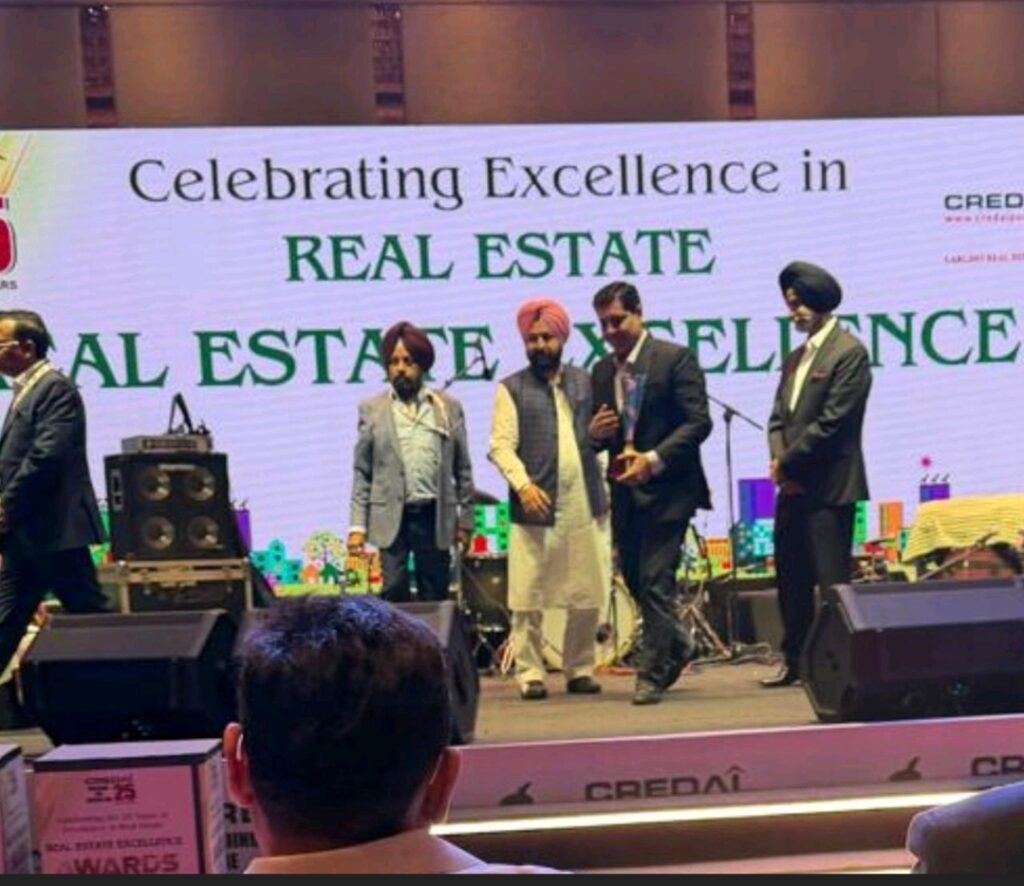
Architect Tripat Girdhar, Founder and Principal Architect of Arete Design Studio, has been named Architect of the Year 2026 by CREDAI Punjab, recognizing his contribution to contemporary architecture and sustainable design. The award was presented during an industry event held at JW Marriott Chandigarh, bringing together developers, architects, and real estate stakeholders.
While such awards traditionally celebrate individual achievement, they also signal broader shifts within the built environment and real estate sectors. As cities expand and urban lifestyles evolve, architecture is increasingly recognized not just as a structural or aesthetic discipline but as a key driver of human experience within physical spaces.
For customer experience leaders, urban planners, and infrastructure strategists, the development reflects a growing recognition that the environments people inhabit—homes, workplaces, retail centers, and public spaces—play a critical role in shaping everyday experiences.
The Built Environment as an Extension of Customer Experience
In the past decade, organizations across industries have increasingly adopted customer experience (CX) as a strategic framework. While much of this focus has been directed toward digital channels and service delivery, the physical environment in which people live and work has become equally important.
Real estate developers are now competing not only on location and price but also on the overall experience their properties offer. Buyers and tenants evaluate spaces based on factors such as accessibility, sustainability, community design, natural lighting, and integration with modern technology.
These expectations are particularly visible in urban residential developments and commercial environments. Residents look for communities that support lifestyle needs such as wellness, connectivity, and shared social spaces. Businesses increasingly seek workplaces that promote collaboration, productivity, and employee well-being.
As a result, architectural design is becoming closely aligned with experience design principles. The way buildings are planned and executed influences how individuals interact with their environment, how efficiently spaces function, and how communities develop over time.
Strategic Positioning in a Changing Architectural Landscape
Founded in 2009 and headquartered in Chandigarh, Arete Design Studio has positioned itself as a multidisciplinary architecture and design firm working across a range of sectors including residential, commercial, hospitality, retail, and institutional infrastructure.
The firm’s portfolio reflects an approach that blends contemporary design with elements inspired by India’s architectural traditions. This contextual approach allows projects to remain culturally relevant while meeting the functional and technological requirements of modern urban development.
According to the firm, its work focuses on integrating architectural design with urban planning, interior design, and engineering disciplines. Such integration has become increasingly important as projects grow in scale and complexity.
From a strategic perspective, this multidisciplinary approach enables architecture firms to contribute earlier and more broadly within the real estate development lifecycle. Rather than simply designing structures, architects are now involved in shaping the spatial experience of entire communities or commercial ecosystems.
This shift reflects a larger transformation within the architecture industry. Firms that combine design expertise with sustainability practices, urban planning capabilities, and technology integration are becoming essential partners for developers seeking to differentiate their projects in competitive markets.
Architect of the Year 2026: Architecture as a Foundation for Experience Design
Architecture plays a foundational role in determining how individuals interact with physical spaces.
The arrangement of buildings, the flow of corridors and public areas, the use of natural light, and the accessibility of shared facilities all influence daily experiences. When executed effectively, architectural design can reduce friction in everyday activities, improve efficiency, and enhance well-being.
In residential communities, thoughtful spatial planning can encourage social interaction while maintaining privacy. The placement of parks, community spaces, pedestrian pathways, and residential units can create environments that foster stronger neighborhood connections.
In commercial and workplace environments, design decisions influence productivity and employee engagement. Open collaboration areas, quiet workspaces, ergonomic layouts, and access to natural light are increasingly viewed as essential components of modern office environments.
Retail and hospitality spaces also rely heavily on architectural planning to shape customer journeys. The layout of entrances, walkways, and display areas influences how visitors move through a space and how they engage with services or products.
These factors illustrate why architecture has become closely linked with broader customer experience strategies.
Sustainability and Technology in Modern Architectural Practice
Another defining trend within contemporary architecture is the integration of sustainability and technology.
Environmental considerations are playing an increasingly significant role in design decisions. Energy-efficient systems, climate-responsive building materials, and sustainable construction practices are becoming standard expectations rather than optional features.
Regulatory frameworks and environmental certifications have also encouraged developers and architects to prioritize long-term sustainability. Buildings are expected to minimize environmental impact while maximizing operational efficiency throughout their lifecycle.
Technology is also reshaping the architectural process. Digital design tools such as Building Information Modeling (BIM) allow architects and engineers to create detailed simulations before construction begins. These tools help teams visualize how buildings will function, identify potential design conflicts, and optimize resource usage.
For large infrastructure and real estate projects, such technologies reduce risk while improving coordination among stakeholders including developers, contractors, engineers, and city planners.
The combination of sustainability and digital design capabilities is redefining how modern architecture firms operate and deliver projects.
Implications for the Real Estate and Infrastructure Ecosystem
The recognition of architectural innovation reflects broader trends shaping India’s real estate and infrastructure sectors.
Urban populations continue to grow, creating demand for housing, commercial spaces, and public infrastructure. At the same time, consumers expect developments that align with modern lifestyle needs, sustainability goals, and digital connectivity.
Developers are responding by creating integrated environments rather than isolated buildings. Mixed-use developments combining residential, commercial, recreational, and cultural spaces are becoming more common in major urban centers.
These developments require close collaboration among architects, urban planners, engineers, and technology providers. The goal is to create ecosystems that support both economic activity and quality of life.
In this context, architecture firms are playing an increasingly strategic role. Their ability to translate complex urban requirements into functional and aesthetically coherent spaces is becoming central to the success of modern developments.
The Future of Human-Centric Urban Design
Looking ahead, the role of architecture in shaping urban experiences is expected to expand further.
Cities around the world are grappling with challenges related to sustainability, density, transportation, and infrastructure resilience. Addressing these issues requires design approaches that prioritize both environmental responsibility and human well-being.
Architects and urban planners will increasingly work alongside technology specialists, environmental experts, and policymakers to create integrated urban ecosystems.
Recognition such as the Architect of the Year award underscores the importance of architectural innovation in addressing these challenges.
For customer experience leaders and business strategists, the lesson extends beyond real estate. The spaces people inhabit—whether homes, workplaces, or public environments—are becoming essential components of how experiences are designed and delivered.
As organizations across industries continue to focus on holistic experience strategies, the built environment will remain a critical factor in shaping how individuals connect with brands, communities, and cities.
In this evolving landscape, architecture is no longer simply about constructing buildings. It is about designing environments that support meaningful, sustainable, and engaging human experiences.
