
A Multi-State AVGC-XR Alliance: What It Means for CX and EX Leaders
Imagine a gaming start-up in Kochi.
Its artists work in isolation.
Its curriculum feels outdated.
And, its investors doubt scale.
Now imagine that same start-up plugged into a national pipeline of skilling, incubation, research labs, and industry showcases.
That shift from fragmentation to federation just took a major step forward.
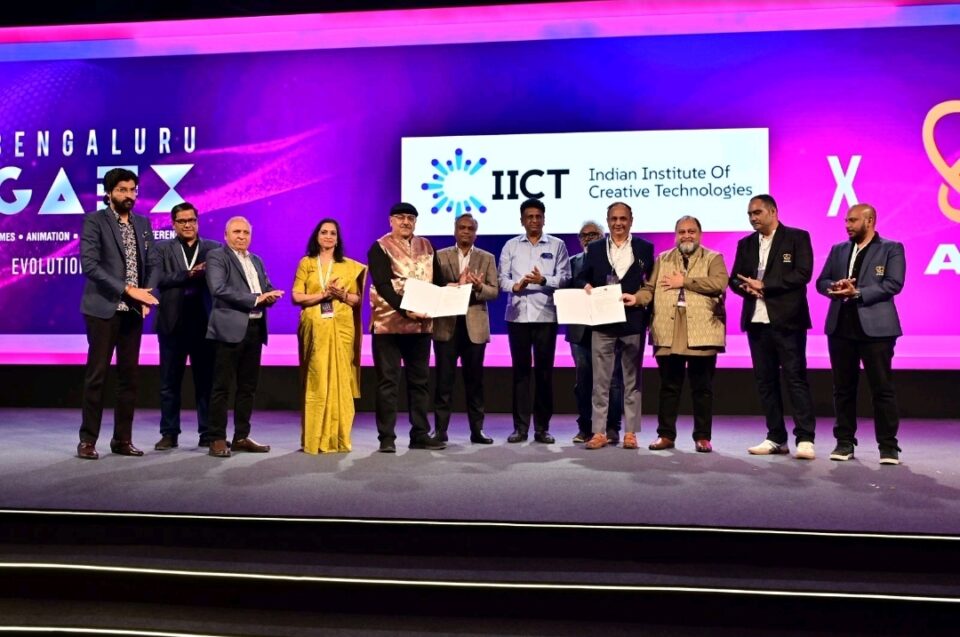
At GAFX 2026 in Bengaluru, the Indian Institute of Creative Technologies (IICT) signed a landmark multi-state MOU with leading AVGC-XR bodies. The collaboration unfolded under the leadership of Association of Bangalore Animation Industry (ABAI), in the presence of Priyank Kharge and M. C. Sudhakar. .
The announcement signals more than a policy milestone.
It signals a systemic shift in India’s creative technology ecosystem.
For CX and EX leaders, this is a case study in ecosystem design.
What Is the IICT Multi-State AVGC-XR MOU and Why Does It Matter?
Short answer: It aligns academia, industry, and state bodies to accelerate skilling, incubation, research, and global visibility in Animation, VFX, Gaming, Comics, and XR.
The agreement spans associations from Kerala, Madhya Pradesh, Tamil Nadu, Punjab, Telangana, Karnataka, Andhra Pradesh, Maharashtra, and beyond.
The core pillars include:
- Industry-aligned curricula and certification
- Incubation and start-up mentoring
- Research and innovation collaboration
- Co-hosted events and global showcases
Dr. Vishwas Deoskar, CEO of IICT, framed it clearly:
“India’s AVGC-XR sector has immense potential to become a global powerhouse. Through structured collaboration in education, research, and incubation, we are building a sustainable pipeline of talent and innovation.”
This is not incremental reform.
This is infrastructure thinking.
Why Should CX and EX Leaders Care About AVGC-XR Policy Moves?
Short answer: AVGC-XR defines the future of immersive customer journeys and workforce engagement models.
Extended reality reshapes:
- Product demos
- Training environments
- Brand storytelling
- Community ecosystems
Gaming engines power digital twins.
Animation defines brand IP.
XR enhances onboarding and remote collaboration.
When education, start-ups, and policy align, CX innovation accelerates.
How Does This Address the Talent and Journey Fragmentation Problem?
Short answer: It creates a structured talent pipeline while connecting silos across states and disciplines.
CX leaders often face three structural gaps:
- Skill gap in immersive tech.
- Siloed ecosystems across geographies.
- Disconnected innovation pipelines.
The IICT model tackles all three.
1. Education and Skilling Integration
Industry-aligned curriculum reduces the lag between market demand and graduate capability.
That matters when:
- Brands need real-time 3D designers.
- Retailers deploy AR commerce.
- EdTech builds VR classrooms.
Structured certification adds credibility and employability.
2. Incubation and Start-up Support
Creative tech founders often struggle with:
- Mentorship access
- Investor visibility
- IP protection
A federated network increases:
- Capital readiness
- Cross-state collaboration
- Showcase opportunities
That drives stronger experiential product pipelines.
3. Research and Innovation
Immersive research requires scale.
When state bodies collaborate, they can:
- Share labs
- Share datasets
- Share industry briefs
This reduces duplication and accelerates applied innovation.
What Framework Can CX Leaders Borrow From This Model?
Short answer: Use the “Federated Innovation Framework” to break internal silos and align teams.
The Federated Innovation Framework
| Pillar | Ecosystem Equivalent | CX/EX Application |
|---|---|---|
| Curriculum | Skill Alignment | Capability Mapping |
| Incubation | Start-up Support | Pilot Labs |
| Research | Innovation Labs | Experience Prototyping |
| Showcase | Industry Events | Customer Co-Creation |
1: Map Capability Gaps
Audit your immersive, AI, and design skills.
2: Build Internal Incubators
Create cross-functional sprint teams.
3: Formalize Research Channels
Partner with academia and tech vendors.
4: Showcase Outcomes
Host demo days for customers and employees.
This mirrors the IICT strategy at enterprise scale.
What Makes GAFX 2026 a Strategic Platform?
Short answer: It served as a convergence point for policy, industry, and education.
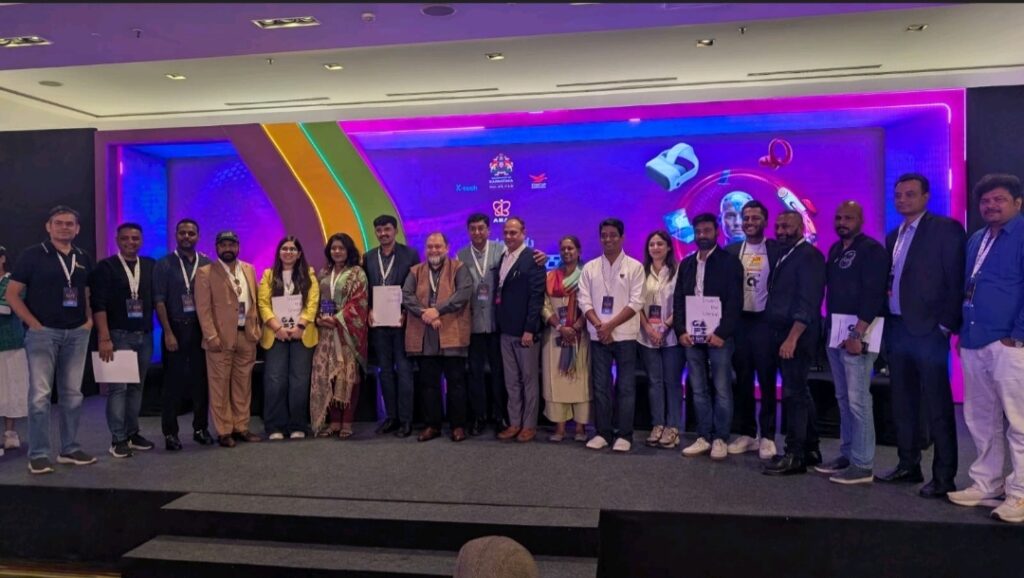
The signing brought together leaders such as:
- Dr. Ashish Kulkarni, Founding Director, IICT
- Biren Ghose, President, ABAI Karnataka
- Siva Kumar Kasetty, ASIFA India
- Ankur Bhasin, MEAI India
- Representatives from MP-AVGC-XR, APVAGA, VEGAS Tamil Nadu, PAM EX Punjab, and others
This diversity reflects ecosystem maturity.
When multiple state bodies align publicly, signal strength increases.
That attracts:
- Global studios
- Investors
- EdTech partners
- Enterprise brands
What Are the Key Insights for CXQuest Readers?
1. Ecosystems Beat Silos
Creative economies scale when institutions collaborate.
2. Talent Strategy Is Experience Strategy
Future CX depends on immersive creators.
3. Incubation Drives IP Ownership
Original IP creates sustainable brand differentiation.
4. Visibility Accelerates Trust
Showcases and events strengthen credibility.
Common Pitfalls in Multi-Stakeholder Initiatives
Even strong MOUs can falter.
Watch for:
- Undefined KPIs
- Governance ambiguity
- Funding delays
- Curriculum stagnation
Successful alliances require:
- Quarterly review boards
- Transparent reporting
- Industry advisory panels
- Outcome-linked incentives
CX leaders should apply similar rigor internally.
How Does This Position India Globally?
Short answer: It strengthens India’s ambition to move from service outsourcing to original IP creation.
India already dominates IT services.
AVGC-XR can become the next growth engine.
If talent, research, and incubation synchronize, India could:
- Export immersive IP
- Lead in gaming assets
- Power global metaverse experiences
For global brands, this expands sourcing options.
For domestic enterprises, it builds homegrown innovation.
FAQ: What CX Leaders Are Asking
How will this MOU impact enterprise training programs?
It expands the talent pool in XR and animation, reducing reliance on foreign expertise.
Can start-ups outside major metros benefit?
Yes. The multi-state structure decentralizes access and visibility.
Will this accelerate immersive retail experiences?
Likely. Stronger talent pipelines enable faster AR/VR commerce pilots.
How can enterprises engage with IICT or associations?
Through partnerships, research collaborations, or sponsorship of incubation programs.
Is this model replicable in other sectors?
Absolutely. HealthTech, AgriTech, and EdTech ecosystems can adopt similar federated structures.
Actionable Takeaways for CX and EX Leaders
- Conduct a 90-day immersive capability audit.
- Launch a cross-functional XR pilot team.
- Partner with academic institutions for curriculum co-design.
- Sponsor hackathons aligned to customer journey gaps.
- Establish measurable KPIs for innovation output.
- Create public showcase moments to build trust.
- Align HR, IT, and CX under a unified experience roadmap.
- Track ecosystem signals, not just internal metrics.
The IICT multi-state MOU is not just policy news.
It is a blueprint for systemic experience transformation.
When education, incubation, and research align, innovation compounds.
For CX leaders navigating AI gaps and fragmented journeys, the message is clear:
Build ecosystems, not departments.
That is how industries scale.
That is how experiences evolve.
And that is how nations become creative powerhouses.
