

Why World-Wise Leadership Is Becoming a CX Capability—Not an HR Nice-to-Have
What happens when a global CX promise breaks down overnight?
A customer in Tokyo escalates an issue at 9 a.m.
The service team in Manila waits for approval.
The product team in San Francisco debates risk.
Legal flags compliance.
No one owns the moment.
By the time the customer hears back, trust is already damaged.
This isn’t a tooling problem.
It’s a leadership capability gap.
As customer experience becomes borderless, digital, and expectation-heavy, CX leaders are confronting a hard truth: great journeys fail without globally adaptive leadership.
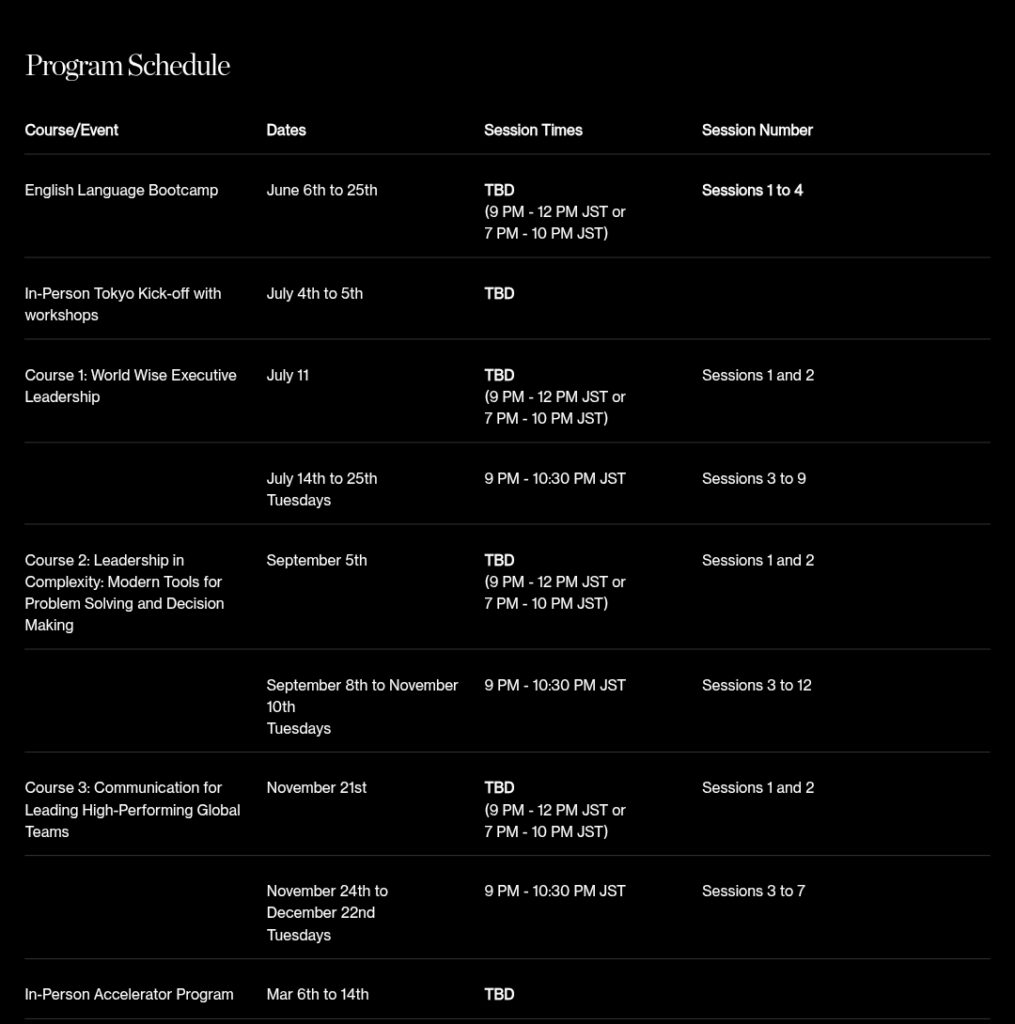
Minerva University’s newly launched World Wise Executive Leadership Program is a timely signal.
It reflects a larger shift CXQuest has been tracking: CX excellence now depends on how leaders think, decide, and collaborate across cultures and systems.
This article explores why world-wise leadership is becoming a core CX capability—and how CX and EX leaders can operationalize it.
What Is “World-Wise Leadership,” and Why Should CX Teams Care?
Short answer: World-wise leadership is the ability to make sound decisions across cultures, systems, and uncertainty—without slowing down the customer.
In CX terms, it means leaders who:
- Understand cultural context, not just personas
- Navigate ambiguity without paralysis
- Align global teams around shared outcomes
- Balance speed, ethics, and compliance
Traditional leadership training focuses on authority and efficiency.
World-wise leadership focuses on adaptability and impact.
For CX teams managing global journeys, this distinction matters.
Why Traditional CX Operating Models Are Breaking
Short answer: Global CX complexity has outpaced siloed leadership structures.
CXQuest research consistently shows three recurring issues:
- Decision bottlenecks across regions
- Inconsistent experience standards
- Low trust between global and local teams
These issues don’t stem from intent.
They stem from misaligned leadership mental models.
The hidden CX tax of fragmented leadership
When leaders:
- Optimize for their region only
- Avoid cross-border accountability
- Escalate instead of deciding
Customers experience:
- Delays
- Mixed signals
- Policy-driven frustration
CX metrics suffer, but root causes remain invisible.
How Does the Minerva World Wise Program Signal a CX Shift?
Short answer: It reframes leadership as a practice-based, system-level capability—mirroring modern CX demands.
Minerva’s program emphasizes:
- Practice over theory
- Dialogue over hierarchy
- Measurable impact over attendance
These principles align directly with modern CX leadership needs.
Why this matters for CX and EX leaders
The program is built around:
- Cross-border decision-making
- Cultural intelligence
- Ethical leadership in complex systems
These are no longer “soft skills.”
They are experience enablers.
CX leaders who lack them:
- Struggle to scale personalization
- Over-centralize control
- Lose local relevance
What Does World-Wise Leadership Look Like Inside CX Teams?
Short answer: It shows up in how leaders frame problems, empower teams, and resolve friction.
1. From control to context
World-wise CX leaders don’t ask:
“Are teams following the process?”
They ask:
“Does the process still serve this customer context?”
2. From escalation to ownership
Instead of pushing decisions upward, they:
- Clarify decision rights
- Define guardrails
- Trust local judgment
3. From alignment meetings to shared mental models
They invest in:
- Common CX principles
- Clear experience standards
- Outcome-based accountability
This reduces friction without adding governance.
How Cross-Cultural Intelligence Improves Customer Journeys
Short answer: Cultural intelligence prevents experience breakdowns disguised as operational issues.
A common CX failure pattern
A policy designed in one market:
- Feels disrespectful in another
- Violates local norms
- Creates emotional friction
The CX dashboard shows “compliance.”
The customer feels unheard.
World-wise leaders recognize:
- Culture shapes expectations
- Silence doesn’t equal satisfaction
- “Efficient” isn’t always “respectful”
This insight changes how journeys are designed and governed.
Case Insight: Global CX Without Global Leadership
A global fintech scaled rapidly across Asia.
They standardized:
- Scripts
- SLAs
- Escalation paths
But ignored:
- Local trust norms
- Language nuance
- Regulatory interpretation
Result:
- High CSAT in one region
- Brand erosion in another
- Burnout across service teams
The fix wasn’t a new platform.
It was retraining leaders to think systemically and culturally.
How Does This Connect to Employee Experience (EX)?
Short answer: Employees mirror leadership clarity—or the lack of it.
World-wise leadership improves EX by:
- Reducing decision ambiguity
- Increasing psychological safety
- Valuing local expertise
When employees:
- Understand why decisions are made
- Feel trusted to adapt
- See ethical consistency
They deliver better CX—without scripts.
CXQuest interviews consistently show:
High-performing CX organizations invest in leadership behaviors before tools.
A Practical Framework: The World-Wise CX Leadership Model
1. Context Awareness
- Understand cultural, regulatory, and emotional landscapes
- Avoid one-size-fits-all decisions
2. Decision Agility
- Define who decides what
- Empower teams within guardrails
3. Ethical Anchoring
- Balance growth with responsibility
- Protect trust across markets
4. Systems Thinking
- See journeys as interconnected ecosystems
- Anticipate downstream impact
5. Learning Loops
- Reflect on outcomes
- Adapt leadership behavior continuously
This framework aligns with CXQuest’s broader leadership maturity models.
Common Pitfalls CX Leaders Must Avoid
1. Confusing global consistency with rigidity
2. Over-centralizing CX governance
3. Treating cultural nuance as “edge cases”
4. Delegating CX without decision authority
5. Measuring efficiency while ignoring emotion
These mistakes compound at scale.
Why 2026 Is a Turning Point for CX Leadership
Short answer: AI, automation, and geopolitical volatility demand leaders who can think beyond playbooks.
AI can:
- Optimize responses
- Predict churn
- Personalize at scale
But it cannot:
- Navigate cultural tension
- Resolve ethical dilemmas
- Build trust in uncertainty
That remains a human leadership responsibility.
Programs like Minerva’s signal where the market is heading:
Leadership as a practiced capability, not a title.
Key Insights for CXQuest Leaders
- CX failures often originate in leadership blind spots
- Global journeys need globally adaptive leaders
- Cultural intelligence directly impacts trust metrics
- EX is the fastest lever for CX improvement
- Leadership development is now a CX investment
Frequently Asked Questions (FAQ)
How is world-wise leadership different from global leadership?
World-wise leadership emphasizes adaptability, ethics, and systems thinking, not just geographic scope.
Can CX leaders develop these skills without formal programs?
Yes, but structured, practice-based learning accelerates behavior change.
How does this impact AI-driven CX strategies?
World-wise leaders set ethical guardrails and contextual judgment AI lacks.
Is this relevant for mid-size organizations?
Absolutely. Complexity arises from customers, not company size.
How should CX teams measure leadership impact?
Track decision speed, regional trust scores, employee clarity, and journey consistency.
Actionable Takeaways for CX Professionals
- Audit leadership decision bottlenecks across regions.
- Define clear decision rights for CX teams globally.
- Train leaders in cultural intelligence, not just processes.
- Embed ethical principles into CX governance models.
- Shift from control metrics to trust metrics.
- Link EX signals directly to CX outcomes.
- Invest in leadership development as CX infrastructure.
At CXQuest, we believe experience leadership is the next competitive frontier.
World-wise leaders won’t just manage complexity.
They’ll turn it into trust.
Explore more CX leadership frameworks and global experience insights across the CXQuest hub.
