
When Safety Becomes Experience: What Zomato’s Road Safety Initiative Teaches CX Leaders About Trust at Scale
Imagine this.
It’s 9:30 p.m. The rain has turned the road into a mirror.
A delivery partner weaves through traffic, phone buzzing with alerts, orders stacking up, visibility dropping by the minute.
Now pause.
In that moment, customer experience, employee experience, public safety, and brand trust collide.
Most CX frameworks stop at the app screen.
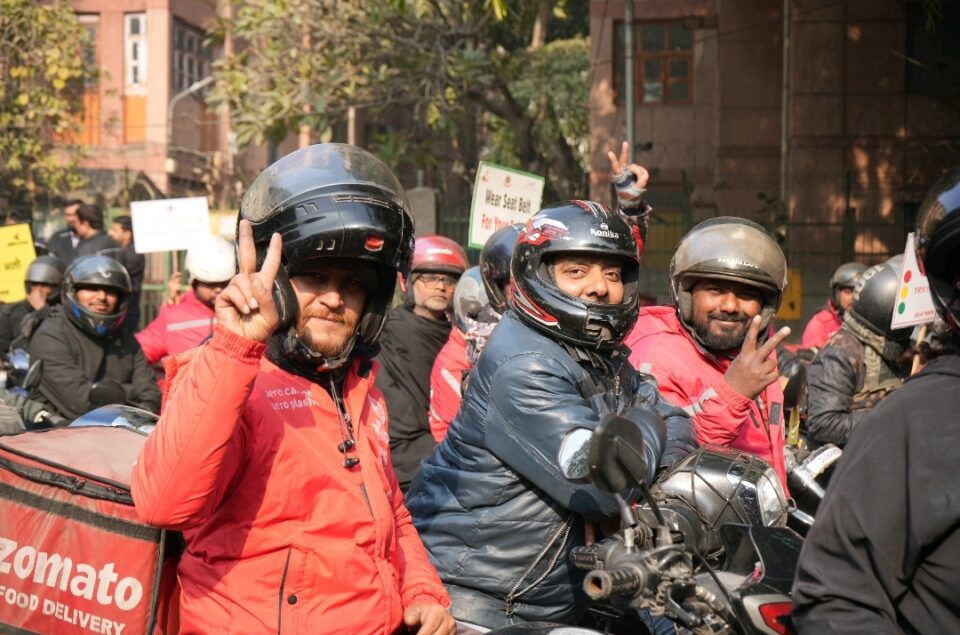
Zomato’s National Road Safety Month initiative goes several layers deeper—onto the road, into traffic parks, and inside the lived reality of its delivery partners.
This is not just a CSR headline.
It is a high-stakes experience design decision.
For CX and EX leaders grappling with fragmented journeys, frontline risk, and AI-heavy roadmaps, Zomato’s approach offers a grounded, human-first blueprint worth studying.
What Is Experience-Led Safety, and Why Should CX Teams Care?
Experience-led safety integrates physical wellbeing into the customer and employee journey, treating safety as a core experience outcome, not a compliance checkbox.
In gig-led ecosystems, safety failures instantly become experience failures.
They affect trust, reliability, and emotional brand perception.
Zomato’s initiative reframes safety as a designed journey, not a policy document.
Why Road Safety Is a CX Problem, Not Just an Operations One
Every unsafe delivery interaction erodes trust across the entire value chain.
CX leaders often focus on:
- Faster delivery times
- AI-driven routing
- Personalised nudges
But for last-mile platforms, the road is the real interface.
When a delivery partner feels rushed, undertrained, or unsupported:
- Errors increase
- Accidents rise
- Experience quality drops
Zomato’s move acknowledges a hard truth:
You cannot automate empathy or outsource responsibility.
What Exactly Did Zomato Do Differently?
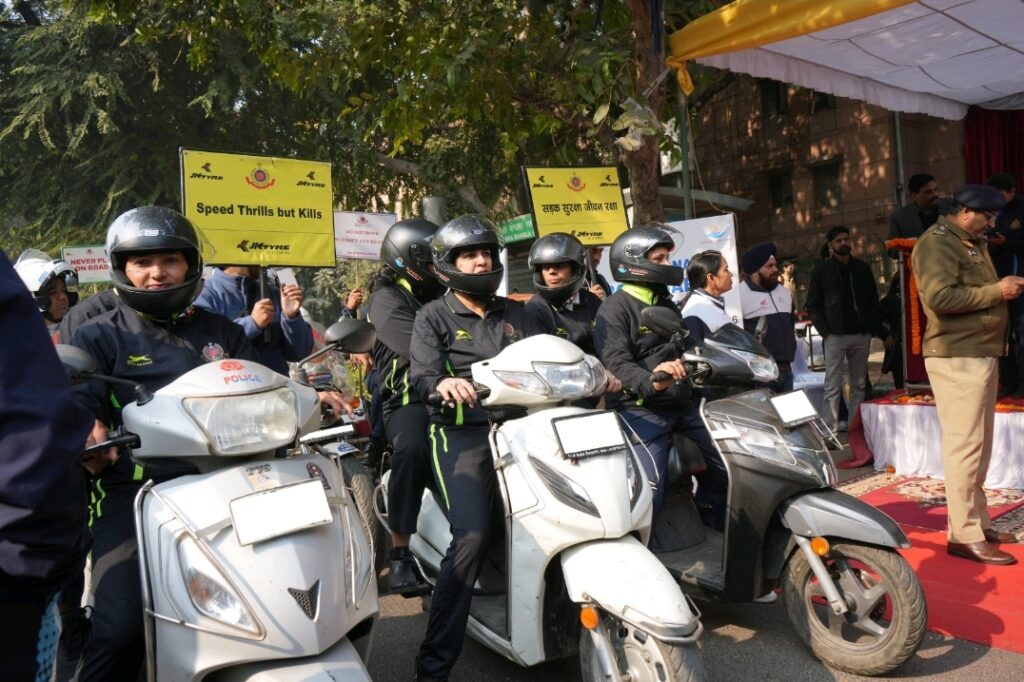
Zomato moved beyond awareness to structured, on-ground intervention across multiple cities.
Key components include:
- Mandatory, traffic police-led training
- 90–120 minutes of hands-on learning
- BIS-certified helmet distribution
- Real-world hazard simulations
- Golden Hour first-aid training
- Daily safety pledges
- In-app SOS and weather alerts
This is experience orchestration, not isolated programs.
How Does This Initiative Strengthen Employee Experience (EX)?
It restores dignity, capability, and psychological safety to frontline roles.
Delivery partners are often treated as replaceable endpoints in a digital workflow.
Zomato’s initiative flips that narrative.
By investing in:
- Skill-building, not just rules
- Police-led credibility, not internal slides
- Physical protection, not just incentives
The company signals respect.
And respect is the most undervalued EX metric.
What CX Leaders Can Learn from the Training Design
Zomato designed learning for context, not convenience.
Instead of:
- Generic online modules
- Passive videos
- One-size-fits-all training
They chose:
- Traffic Training Parks
- City-specific road simulations
- Live professional guidance
This aligns with a key CX principle:
Experience improves when learning happens where the experience actually unfolds.
Where Does AI Fit—and Where Doesn’t It?
AI supports safety, but it cannot replace judgment under pressure.
Zomato uses technology wisely:
- Real-time weather alerts
- In-app SOS features
- Emergency response access
But it does not pretend AI can:
- Teach instinct
- Replace reflexes
- Build situational awareness
For CX leaders racing toward agentic AI, this is a timely reminder: Some experiences demand human readiness, not algorithmic speed.
How This Initiative Reduces Journey Fragmentation
It connects policy, training, daily rituals, and real-time support into one safety journey.
Many organisations suffer from:
- Siloed safety teams
- Disconnected HR programs
- CX dashboards blind to frontline reality
Zomato’s approach integrates:
- Pre-shift safety briefings
- Daily pledges
- On-road alerts
- Emergency coverage
This is end-to-end journey ownership, not fragmented governance.
What Emotional Outcome Is Zomato Designing For?
Confidence under pressure.
Not fear.
Not compliance.
And, Not punishment.
Delivery partners are trained to:
- Anticipate risk
- Maintain distance
- Respond during the Golden Hour
That emotional outcome—preparedness—directly improves:
- Service quality
- Decision-making
- Brand advocacy
Emotion is not soft.
It is operational.
Key Insights for CX and EX Leaders
- Safety is a trust multiplier, not a cost centre
- Frontline experience shapes brand credibility
- Physical journeys matter as much as digital ones
- Training is experience design, not HR hygiene
- Real-world context beats theoretical best practices
Common Pitfalls CX Teams Should Avoid
- Treating safety as a seasonal campaign
- Measuring success only through incident reduction
- Over-relying on tech without human capability building
- Designing for dashboards, not lived conditions
- Isolating EX from CX ownership
How This Strengthens Zomato’s Brand Trust Flywheel
Safer partners lead to calmer deliveries, better customer interactions, and stronger public perception.
This creates a reinforcing loop:
- Safer delivery partners
- More reliable service
- Higher customer confidence
- Stronger platform trust
- Better partner retention
CX maturity shows up when internal care becomes external consistency.
What Framework Can CX Leaders Apply Here?
The SAFE Experience Framework
A practical lens for experience-led safety design
- Situational Training: Contextual, real-world learning
- Assistive Tech: Alerts, SOS, and support systems
- Frontline Rituals: Daily pledges and briefings
- End-to-End Ownership: Insurance, response, recovery
This framework works beyond delivery platforms.
Apply it to healthcare, mobility, retail, or field services.
Frequently Asked Questions
How does safety impact customer experience directly?
Unsafe conditions create delays, errors, and negative emotional spillover that customers immediately sense.
Is this initiative more EX-focused than CX-focused?
Strong EX initiatives often produce the most durable CX outcomes.
Can smaller organisations replicate this model?
Yes, by starting with contextual training and frontline listening, not scale.
What role should CX teams play in safety programs?
CX teams should map risk moments and co-own prevention strategies.
Does this reduce operational costs long-term?
Fewer incidents mean lower churn, fewer disruptions, and better trust economics.
Zomato’s Road Safety Initiative: Actionable Takeaways for CX Professionals
- Map physical risk moments in your customer journey.
- Partner with external experts for credibility and realism.
- Design training around real-world conditions, not slides.
- Integrate safety into daily rituals, not annual reminders.
- Use AI to assist, not replace, human judgment.
- Measure emotional readiness, not just incident counts.
- Break silos between CX, HR, and operations teams.
- Treat frontline safety as brand experience insurance.
In a world obsessed with speed and scale, Zomato’s initiative reminds us of something fundamental:
Experience leadership begins where the screen ends.
If CX is about trust, then safety is not optional.
It is the experience.
