

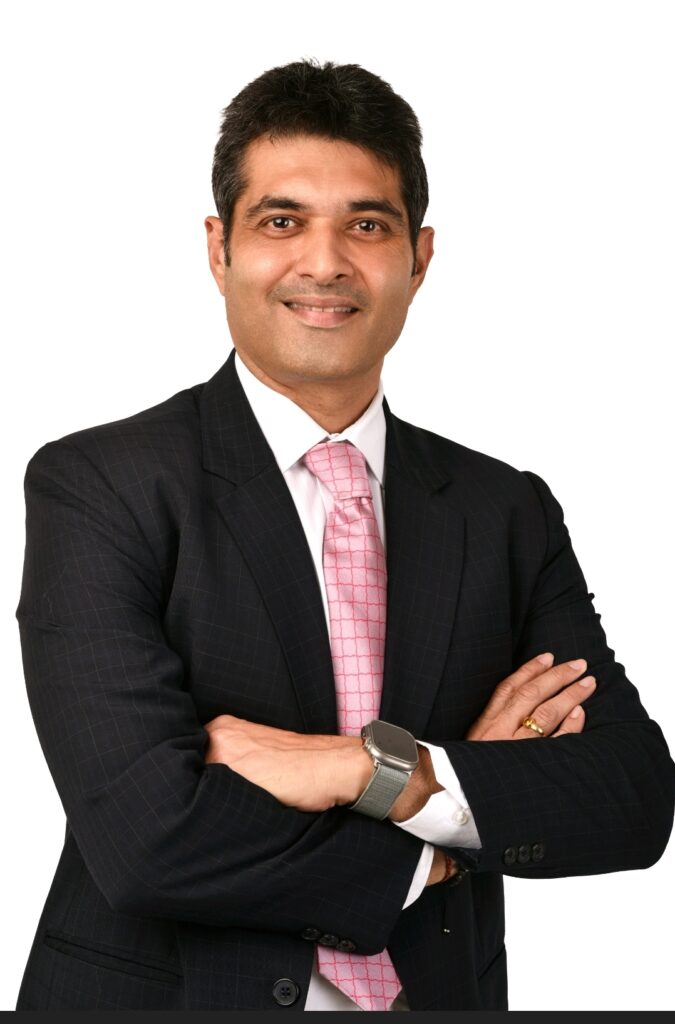
Siddharth Suri’s Return to Moët Hennessy India: A CX Revolution in Luxury Spirits
The appointment of Siddharth Suri as Managing Director of Moët Hennessy India marks a pivotal moment in the company’s customer experience strategy. This strategic leadership change comes at a time when India’s luxury wines and spirits market is experiencing unprecedented growth, with the sector valued at USD 4.93 billion in 2023 and projected to reach USD 6.17 billion by 2030.
The Strategic Importance of Leadership in CX Transformation
Siddharth’s return to Moët Hennessy represents more than just a homecoming. His extensive 24-year career across PepsiCo, Pernod Ricard, Diageo, and most recently The Coca-Cola Company positions him uniquely to drive customer-centric innovation. Moreover, his pioneering work in launching India’s Ready-to-Drink (RTD) alcoholic beverages category demonstrates his ability to create entirely new consumer segments.
The timing of this appointment aligns perfectly with evolving consumer expectations. Furthermore, India’s luxury market is witnessing a fundamental shift in customer behavior, particularly among millennials and Gen Z who comprise 60% of the luxury market. These consumers demand more than premium products; they seek meaningful experiences and authentic brand connections.
Customer Experience as the New Battleground
Today’s luxury consumers in India are increasingly sophisticated and digitally native. Consequently, brands must deliver seamless omnichannel experiences that blend traditional luxury with modern convenience. Research shows that luxury leaders who invest in omnichannel customer journeys are 68% more likely to increase their investments in creating seamless experiences across all channels.
Moët Hennessy India has already recognized this shift. Previously, the company focused on creating “global experiences for the consumer” and emphasized that their strategy is “well-poised with our luxury portfolio, and the ability for Moët Hennessy to craft experiences.” Additionally, the brand has invested heavily in experiential marketing initiatives, including the “Delicious Design Project” which pays homage to India’s rich cultural heritage while appealing to new-age whisky drinkers.
The Ready-to-Drink Innovation: A Case Study in CX Excellence
Siddharth’s previous success with RTD cocktails offers valuable insights into his customer-centric approach. The RTD market in India has grown significantly, with 78% of alcoholic consumers now trying RTD cocktails. This trend reflects changing consumer preferences toward convenience, social drinking, and lower alcohol content options.
His work at The Coca-Cola Company (HCCB) in pioneering the RTD category demonstrates his understanding of emerging customer needs. The RTD segment caters specifically to millennials and Gen Z consumers aged 23-35 who prioritize experiential drinking over traditional consumption patterns. These consumers value brands most when making purchasing decisions, followed by taste preferences.
Digital Transformation and Omnichannel Excellence
The luxury wines and spirits industry is undergoing significant digital transformation. Hennessy’s recent omnichannel campaigns achieved remarkable results, including a 6x brand awareness lift and 2.7 million unique reach across multiple channels. This success demonstrates the power of integrated customer experiences.
Under Siddharth’s leadership, Moët Hennessy India is well-positioned to leverage these digital capabilities. The company has already begun integrating advanced communication platforms to enhance customer interactions. Furthermore, luxury brands that successfully implement omnichannel strategies see significantly higher click-through rates when consumers are exposed to multiple channels compared to single-channel exposure.
Personalization and Customer-Centric Innovation
Modern luxury consumers expect highly personalized experiences. Research indicates that 55% of consumers who love a brand’s story are willing to make a purchase. Moët Hennessy India has embraced this storytelling approach through initiatives like Glenmorangie’s collaborations with Indian artists and designers.
The company’s focus on “consumer-centric innovation” under Siddharth’s leadership will likely emphasize several key areas. First, leveraging data analytics to understand individual customer preferences across different consumption occasions. Second, creating immersive brand experiences that blend heritage storytelling with contemporary relevance. Third, developing products and services that align with evolving customer values, particularly sustainability and authenticity.
The Premium Experience Economy
India’s luxury market growth is driven by increasing disposable income and changing lifestyle preferences. However, success in this market requires more than premium products. Customers seek experiences that reflect their aspirations and values.
Siddharth’s appointment signals Moët Hennessy India’s commitment to creating differentiated customer experiences. His previous work demonstrates understanding of how to bridge traditional luxury with contemporary consumer expectations. Additionally, his experience across multiple FMCG and beverage categories provides valuable cross-industry insights for enhancing customer engagement.
Building Emotional Connections Through Heritage and Innovation
Luxury brands succeed by creating emotional connections that transcend transactional relationships. Moët Hennessy’s portfolio includes iconic brands like Dom Pérignon, Hennessy, and Glenmorangie, each with rich heritage stories. However, connecting these narratives with modern Indian consumers requires sophisticated customer experience strategies.
The company has already demonstrated success in this area through campaigns that celebrate both brand heritage and local cultural relevance. Moving forward, Siddharth’s leadership will likely focus on deepening these emotional connections through personalized storytelling and experiential marketing initiatives.
Technology Integration and Customer Journey Optimization
Modern luxury customers expect seamless integration across digital and physical touchpoints. Moët Hennessy India has invested in digital transformation initiatives, including advanced customer communication platforms and data integration systems.
Under Siddharth’s guidance, these technological capabilities will likely be leveraged to create more sophisticated customer journey mapping and personalization. His experience with digital-first brands and understanding of consumer behavior analytics positions him well to drive these initiatives.
The Future of Luxury Customer Experience in India
Siddharth Suri’s appointment represents a strategic bet on experience-driven luxury consumption. As he noted in his appointment statement, the focus will be on “building stronger consumer engagement, customer connections, fostering innovation, and driving sustainable business practices.”
This approach aligns with broader trends in India’s luxury market, where consumers increasingly prioritize authenticity, sustainability, and meaningful brand experiences. The success of this strategy will depend on Moët Hennessy India’s ability to balance global luxury standards with local market preferences and cultural nuances.
Furthermore, the company’s expansion into tier-2 cities like Lucknow demonstrates recognition that luxury consumption is evolving beyond metro markets. This geographic expansion requires sophisticated customer experience strategies that can adapt to diverse regional preferences while maintaining brand consistency.
Conclusion
The return of Siddharth Suri to Moët Hennessy India as Managing Director signals a new chapter in luxury customer experience strategy. His proven track record in creating new consumer segments, combined with deep understanding of both traditional luxury and contemporary digital expectations, positions the company for significant growth in India’s dynamic luxury market.
Success in this role will require balancing heritage authenticity with innovation, creating personalized experiences at scale, and building emotional connections that transcend traditional luxury consumption patterns. As India’s luxury market continues its rapid evolution, Siddharth’s leadership will be crucial in defining how global luxury brands can authentically connect with increasingly sophisticated Indian consumers while driving meaningful business growth through superior customer experiences.
