
When Bathrooms Become Experiences: What GADOTT’s Delhi Launch Teaches CX Leaders About Designing Modern Luxury Journeys
You walk into a showroom expecting taps and tiles.
Instead, you find yourself slowing down.
The lighting softens. Water flows quietly from a sculpted showerhead. A consultant asks how you want to feel at the start of your day—not what SKU you need. In that moment, you’re no longer shopping for bathware. You’re participating in a designed experience.
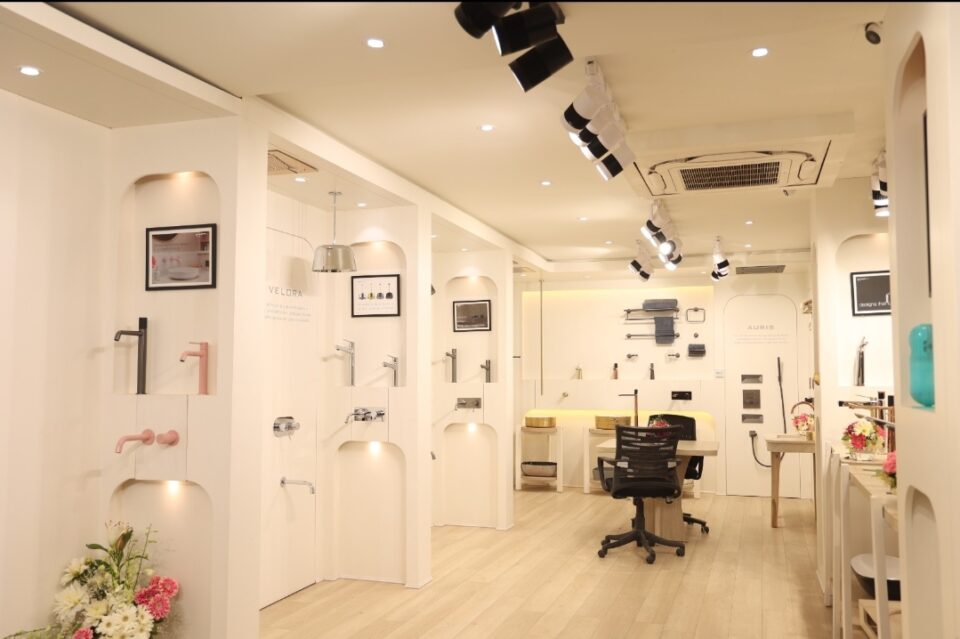
This is the strategic shift unfolding at GADOTT’s newly launched Luxury Bathware Experience Centre in Rajouri Garden, New Delhi. And for CX and EX leaders, it offers a powerful lesson: experience is no longer a layer added after the product—it is the product.
As Indian consumers move toward lifestyle-led purchasing, physical spaces are being reimagined as journey orchestration hubs, not sales floors. GADOTT’s launch signals more than a brand milestone. It reflects how premium brands must rethink customer experience, employee enablement, and emotional value creation in a fragmented, AI-disrupted market.
This article unpacks what CX leaders can learn from GADOTT’s approach—through frameworks, real-world application, and actionable insights.
What Is Experience-Led Retail—and Why CX Teams Need It Now?
Short answer: Experience-led retail designs spaces around customer emotions and decision journeys, not product catalogs.
In luxury categories, customers no longer buy features. They buy assurance, identity, and feeling. GADOTT’s Experience Centre embodies this shift by moving from transactional selling to immersive discovery.
For CX leaders facing siloed teams and disconnected journeys, experience-led retail offers a unifying strategy. It aligns brand promise, physical space, employee behavior, and post-purchase memory into one coherent narrative.
Why Bathrooms Are the New CX Battleground
Bathrooms were once purely functional. Today, they are private wellness zones.
Urban consumers increasingly associate bathrooms with calm, recovery, and control—rare emotions in chaotic daily life. GADOTT’s positioning taps directly into this psychological shift.
By framing bathrooms as personal sanctuaries, the brand elevates a utilitarian category into an emotional one. That move fundamentally changes the CX equation.
Implication for CX leaders:
When a category becomes emotional, experience consistency matters more than price precision.
How GADOTT Uses Physical Space as a CX Strategy
Short answer: The Experience Centre acts as a journey accelerator, not a display room.
The Rajouri Garden centre is intentionally designed for hands-on engagement. Visitors interact with shower systems, fittings, and finishes in real-world contexts. This reduces cognitive load and speeds decision confidence.
From a CX lens, this solves three common friction points:
- Specification fatigue
- Visualization gaps
- Trust deficits in premium pricing
Instead of brochures, the space enables meaningful design conversations, as highlighted by Mr. Vinay Jain, Founder & Managing Director, GADOTT, who emphasizes moving beyond catalog-led selling.
This is a textbook example of journey compression—helping customers reach clarity faster without pressure.
What CX Framework Explains GADOTT’s Approach Best?
The Sanctuary Experience Framework (SEF)
CXQuest often explores frameworks that bridge emotion and execution. GADOTT’s model aligns well with a four-layer approach:
| Layer | What GADOTT Does | CX Impact |
|---|---|---|
| Emotional Intent | Positions bathrooms as personal sanctuaries | Builds aspiration |
| Sensory Design | Lighting, flow, materials, sound | Enhances immersion |
| Human Mediation | Guided consultations, not sales pitches | Builds trust |
| Decision Enablement | Hands-on product interaction | Reduces friction |
This layered design ensures experience coherence—a critical success factor in premium CX.
Why Experience Centres Solve Journey Fragmentation
Short answer: They reconnect pre-purchase, purchase, and post-purchase journeys in one place.
Many CX leaders struggle with fragmented journeys—digital discovery here, showroom confusion there, service gaps later. Experience Centres act as journey anchors.
At GADOTT’s centre:
- Architects explore technical precision.
- Designers test aesthetics.
- Homeowners validate comfort and usability.
Each persona enters with different needs, yet exits with aligned understanding. That’s journey convergence, a key CX maturity indicator.
The Role of Employees in Experience-Led CX
Experience design fails without employee enablement.
GADOTT’s space is also an EX platform. Consultants are positioned as design partners, not sales agents. This shift requires:
- Product storytelling skills
- Empathy-driven conversations
- Confidence in guiding, not pushing
For CX leaders, this reinforces a critical truth:
EX is the delivery engine of CX.
Physical environments must empower employees with context, autonomy, and narrative clarity.
How GADOTT Builds Trust in a Premium Market
Short answer: Through visible craftsmanship and performance proof.
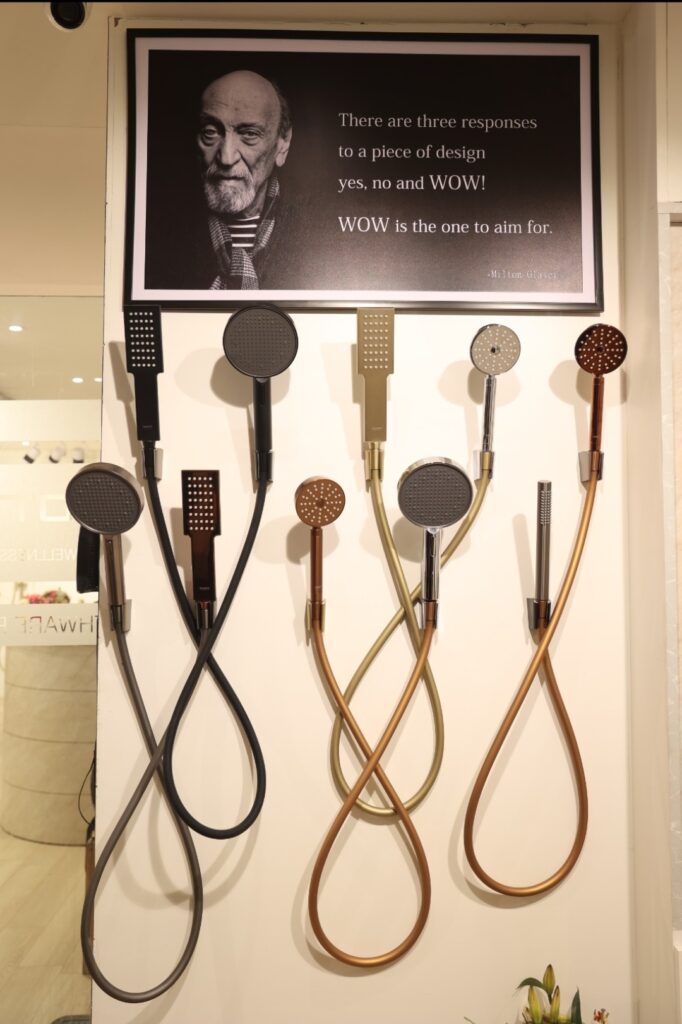
Luxury buyers in India remain cautious. They seek durability alongside design. GADOTT addresses this by openly showcasing how Italian design, German technology, French precision, and Indian craftsmanship come together.
This transparency reduces perceived risk and elevates credibility—key components of trust-driven CX.
Rather than claiming quality, the brand demonstrates it.
Key Insights for CX Leaders
- Experience is becoming the primary differentiator, not features.
- Physical spaces are strategic CX assets, not cost centers.
- Immersion reduces decision anxiety in premium categories.
- Employee storytelling amplifies brand trust.
- Emotion-first positioning drives longer loyalty cycles.
Common Pitfalls CX Leaders Should Avoid
- Treating experience centres as static showrooms
- Overloading visitors with technical jargon
- Ignoring employee enablement in physical CX
- Measuring success only through footfall
- Failing to connect experience data back to journey insights
How This Fits into Broader CX Trends
GADOTT’s launch aligns with several CXQuest-observed trends:
- Phygital convergence: Physical spaces informed by digital behavior.
- Consultative commerce: Guidance over persuasion.
- Wellness-driven CX: Emotional outcomes defining value.
- Design as strategy: Aesthetic coherence driving trust.
As pan-India expansion plans unfold in 2026–27, the scalability challenge will be maintaining experience integrity across locations—a key CX leadership test.
FAQ: Experience-Led CX in Premium Retail
How do experience centres improve conversion rates?
They reduce uncertainty by allowing customers to interact, feel, and validate products before purchase.
Are experience centres relevant outside luxury categories?
Yes. Any high-consideration purchase benefits from immersion and guided discovery.
How can CX teams measure experience centre success?
Look beyond sales. Track dwell time, consultation quality, repeat visits, and referral intent.
What role does storytelling play in physical CX?
Storytelling connects product features to personal outcomes, building emotional relevance.
How do experience centres support omnichannel CX?
They anchor fragmented journeys and align digital discovery with physical validation.
Luxury Bathware Experience Centre: Actionable Takeaways for CX Professionals
- Audit emotional intent behind your physical spaces. Define how customers should feel.
- Design for interaction, not inspection. Let customers experience outcomes.
- Train employees as guides, not closers.
- Map journey convergence points where decisions accelerate.
- Measure trust signals, not just transactions.
- Create sensory consistency across touchpoints.
- Use physical spaces as insight engines, capturing real customer questions.
- Scale experience principles, not layouts, as you expand.
Final Thought
GADOTT’s Experience Centre is not just about luxury bathware. It’s about respecting the customer’s emotional journey.
For CX and EX leaders navigating AI disruption, siloed teams, and rising expectations, the lesson is clear:
Design experiences where customers don’t feel sold to—but understood.
That’s where modern CX leadership begins.
