How India’s First Privately Designed Navy Warship INS Mahe Redefines Collaboration and Innovation for CX/EX Leaders
In the world of customer experience (CX) and employee experience (EX), organizations often grapple with the same challenges: How do you innovate while maintaining operational excellence? How do you foster collaboration across silos to deliver something groundbreaking? These questions aren’t just for tech companies or retail giants. They’re for every industry, including defense.
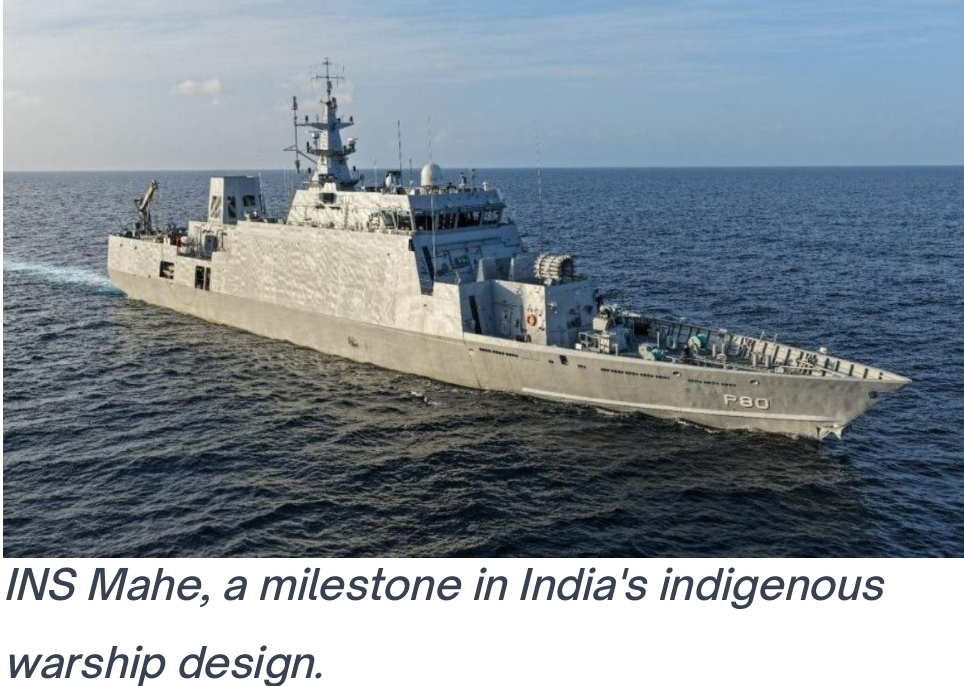
Take the recent launch of INS Mahe, India’s first privately designed Navy warship. At first glance, it might seem unrelated to CX or EX. But dig deeper, and you’ll find a blueprint for success that resonates with any leader aiming to transform customer or employee journeys. This article unpacks the story behind INS Mahe, its implications for strategic innovation, and how its lessons can be applied to CX/EX strategies.
The Strategic Imperative of Indigenous Innovation
In 2025, India’s Navy commissioned INS Mahe—a 150-meter-long anti-submarine warfare shallow water craft (ASW-SWC) designed by Kochi-based Smart Engineering & Design Solutions (SEDS). This marked a historic shift: the first time a private firm led the design of a warship for India’s defense forces.
Why does this matter? For CX/EX leaders, it’s a case study in indigenous innovation. With over 80% of the ship’s components sourced domestically, the project aligns with India’s Aatmanirbhar Bharat (Self-Reliant India) initiative. But the story goes beyond patriotism.
Consider the implications for CX. Just as INS Mahe reduces dependency on foreign suppliers, a customer-centric organization must prioritize self-reliance in solving customer problems. For example, a retail company might replace third-party logistics with in-house systems to personalize delivery experiences. The key takeaway? Innovation isn’t about outsourcing—it’s about owning the solution.
Collaboration as a Catalyst for CX Excellence
INS Mahe wasn’t built in a vacuum. The project involved partnerships between SEDS, Cochin Shipyard Limited (CSL), and over 30 domestic firms, including Larsen & Toubro (L&T) Defence and Bharat Electronics Limited (BEL). This cross-functional collaboration mirrors the ecosystems CX/EX leaders must build.
Think of it as a customer journey map for a warship. Each partner brought expertise to the table: CSL handled construction, BEL integrated radar systems, and MSMEs supplied critical components. The result? A ship optimized for coastal defense, equipped with stealth technology and modular weapon systems.
For organizations, this underscores the value of breaking down silos. Imagine a healthcare provider where IT, customer service, and clinical teams collaborate to design a seamless patient portal. Or a fintech company where UX designers and data scientists co-create personalized financial tools. The INS Mahe project proves that when stakeholders align around a shared goal, the outcome transcends individual contributions.
A Case Study in Cross-Functional Collaboration
Let’s dissect the INS Mahe collaboration further.
- Design Phase: SEDS leveraged digital tools like 3D modeling and simulation software to iterate on the ship’s design. This agile approach allowed rapid prototyping, much like how CX teams use customer feedback loops to refine digital experiences.
- Supply Chain Integration: Local firms supplied everything from propulsion systems to communication arrays. This vertical integration reduced delays and costs—a principle CX leaders can apply to streamline backend processes.
- Testing and Validation: The ship underwent rigorous sea trials, with real-time data used to adjust performance metrics. Similarly, CX teams must test hypotheses with A/B testing and analytics to validate customer hypotheses.
The lesson? Speed, agility, and data are non-negotiables. Whether you’re launching a warship or a customer service chatbot, iterative development and stakeholder alignment are the cornerstones of success.
Why This Matters for CX/EX Leaders
The INS Mahe project isn’t just a defense milestone—it’s a masterclass in strategic execution. Here’s how CX/EX professionals can draw parallels:
- Customer-Centric Innovation: The ship’s design prioritizes the Navy’s operational needs, much like how CX teams tailor solutions to customer pain points.
- Employee Empowerment: By involving MSMEs and private firms, the project empowered local talent. In EX, this translates to fostering a culture where employees contribute ideas to improve workflows.
- Scalability and Sustainability: The modular design of INS Mahe allows upgrades without overhauling the entire system. CX/EX initiatives should adopt a similar mindset—building flexible frameworks that evolve with customer needs.
Actionable Insights for CX/EX Professionals
- Build Ecosystems, Not Teams
Partner with external experts and internal stakeholders to co-create solutions. For example, a telecom company might collaborate with cybersecurity firms to enhance customer trust. - Adopt Agile Methodologies
Use iterative development to test and refine customer experiences. Launch minimum viable products (MVPs), gather feedback, and scale what works. - Invest in Indigenous Talent
Empower your workforce with training and tools to solve problems locally. This reduces reliance on external vendors and fosters innovation. - Leverage Data for Decisions
Just as INS Mahe used real-time data during trials, CX teams should monitor metrics like CSAT (Customer Satisfaction) and NPS (Net Promoter Score) to guide improvements. - Celebrate Symbolic Milestones
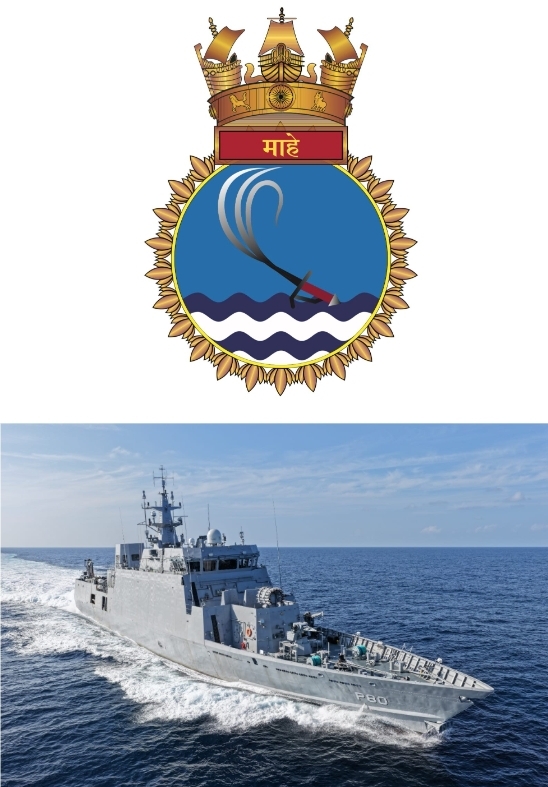
The ship’s name and crest honor India’s heritage. Similarly, recognize employee achievements and customer milestones to build emotional connections.
Conclusion: From Warships to Workflows
INS Mahe is more than a warship—it’s a testament to what’s possible when innovation, collaboration, and indigenous expertise converge. For CX/EX leaders, the takeaway is clear: The future belongs to organizations that can adapt, iterate, and collaborate at scale.
As you reimagine your CX/EX strategies, ask yourself: How can you replicate the INS Mahe model in your domain? Whether it’s through cross-departmental partnerships, agile development, or empowering local talent, the principles remain universal.
After all, in a world where customer expectations evolve faster than ever, the ability to design, build, and launch something extraordinary—without waiting for permission—is the ultimate competitive advantage.
