
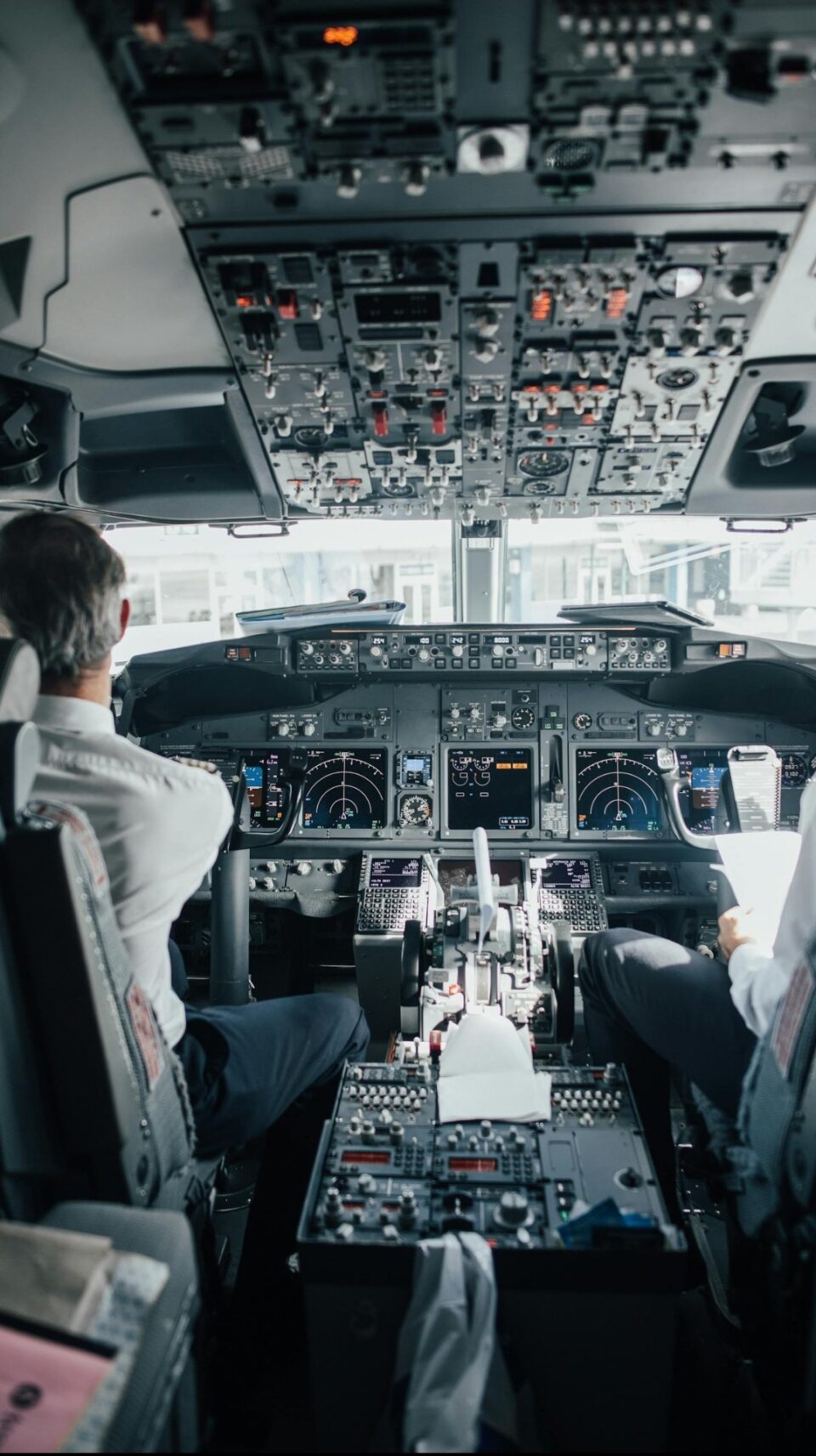
Airbus A320 Recall: A Masterclass in Crisis CX for Airlines Worldwide
Imagine booking your dream holiday trip weeks in advance. Your bags are packed. You are at the gate. Then, the dreaded announcement: “Flight cancelled due to aircraft maintenance.”
This scenario played out for millions of travellers this week. Airbus issued a massive recall affecting 6,000 A320-family aircraft. The timing? The busiest travel weekend of the year for Americans. The challenge? A perfect storm testing every airline’s customer experience capabilities.
For CX and EX professionals, this crisis offers profound lessons. It reveals how operational disruptions expose gaps in communication strategies. It demonstrates why frontline employee empowerment matters. Most importantly, it shows how crisis moments define brand loyalty for years to come.
The Crisis That Grounded Half the World’s Best-Selling Jets
On 28 November 2025, Airbus announced unprecedented precautionary action. Analysis of a JetBlue incident from October revealed a critical vulnerability. Intense solar radiation could corrupt flight control data in thousands of aircraft.
The October incident was alarming. JetBlue Flight 1230 experienced an uncommanded pitch-down while cruising. The aircraft dropped approximately 100 feet in seven seconds. Fifteen passengers were hospitalized after the emergency landing in Tampa.
Airbus traced the problem to the Elevator Aileron Computer (ELAC). This component translates pilot commands into physical aircraft movements. Solar radiation could corrupt the data flowing through this critical system.
The European Union Aviation Safety Agency (EASA) issued an Emergency Airworthiness Directive. Airlines had until 23:59 UTC on 29 November to comply. Aircraft with affected components could not fly passengers until repaired.
The scale was staggering. Around 6,000 jets required immediate attention. Over 350 operators worldwide faced disruption. About 3,000 aircraft were airborne when the alert went out.
When Operational Crisis Meets Customer Experience Reality
This recall represents more than an engineering challenge. It is fundamentally a customer experience crisis. Airlines faced impossible choices. Ground planes and strand passengers? Fly unsafe aircraft? There was only one ethical answer.
Research from McKinsey shows 63% of travellers prefer digital updates during disruptions. Yet many airlines struggled to provide real-time information. Passengers reported confusion at gates. Social media exploded with complaints.
The J.D. Power 2025 North America Airline Satisfaction Study offers crucial context. Fewer than 10% of passengers typically experience problems. But those who do show 125-point lower satisfaction scores. Trust evaporates when problems arise.
Colombian carrier Avianca faced perhaps the toughest situation. Over 70% of its fleet was affected. The airline suspended ticket sales through 8 December. This transparent, albeit painful, decision prevented cascading customer disappointments.
American Airlines took an “all hands on deck” approach. With 340 of 480 A320s requiring updates, speed was essential. Each aircraft needed approximately two hours for software rollback. The airline projected completion by Saturday.
Proactive Communication: The First CX Principle Under Pressure
The airlines that will emerge strongest share one trait. They communicated proactively before passengers discovered problems themselves.
According to Gitnux research, 75% of passengers appreciate proactive communication about delays. Silence is the enemy of customer trust. Even saying “no new updates yet” reduces anxiety.
IndiGo, operating 370 A320-family jets in India, issued immediate advisories. The airline worked closely with Airbus while minimizing operational disruptions. Transparency about the situation built rather than eroded trust.
Air India acknowledged the challenge directly. The airline posted public updates explaining the directive. They apologized for inconvenience while prioritizing safety. This honest approach aligns with crisis communication best practices.
British Airways faced minimal impact with only three affected aircraft. Yet their spokesperson still communicated proactively to Sky News. They explained updates would happen overnight with no operational impact. No customer should discover disruption by surprise.
The contrast with silence is stark. Airlines that went quiet saw social media sentiment plummet. Passengers at gates without information became vocal critics. Every unanswered question became amplified frustration.
Employee Experience: The Hidden Engine of Crisis Response
Behind every successful customer interaction stands an employee. The Airbus recall tested frontline workers across continents. Gate agents faced angry passengers. Call centre staff handled overwhelming volumes.
Research reveals a strong correlation between employee experience and airline performance. When British Airways cabin crew struck, the airline lost £45 million weekly. Unhappy employees cannot deliver happy customer experiences.
This crisis demanded emotional intelligence from frontline staff. Ground crews needed de-escalation skills. Reservation agents required empowerment to solve problems immediately. The stakes for employee preparedness were enormous.
Microsoft reports 58% of employees considering leaving cite poor internal communication. For frontline workers, satisfaction with internal communication sits at just 10%. Crisis situations expose these gaps brutally.
Alaska Airlines offers a counterexample worth studying. The carrier achieved 99.5% employee engagement across 30,000 staff. Their mobile-first communication platform enables real-time crisis messaging. Pilots, flight attendants, and ground crews receive simultaneous updates.
When frontline employees feel informed, they perform better. They answer passenger questions confidently. They de-escalate situations naturally. And they represent the brand positively even under extreme pressure.
Service Recovery: Transforming Disruption Into Loyalty
Every disruption creates a service recovery opportunity. The research is clear on this point. Successful recovery can generate higher loyalty than if no problem occurred.
For flights from UK and EU airports, passenger rights are explicit. Cancellations trigger obligations for rebooking or refunds. Delays beyond specified thresholds require refreshments and accommodation. Cash compensation ranges from £220 to £520 depending on distance.
Airlines that exceed minimum requirements win lasting loyalty. Providing hotel rooms without argument builds goodwill. Offering meal vouchers unprompted creates positive memories. Going beyond legal requirements demonstrates genuine customer care.
The UK Civil Aviation Authority stated expectations clearly. Airlines must look after passengers and refund cancelled flights. However, compensation for “extraordinary circumstances” like this safety directive may not apply. Communication about rights remains essential regardless.
Smart airlines view disruption handling as brand investment. A passenger well-served during crisis becomes an advocate. They share positive stories with friends. They choose that airline again when alternatives exist.
Technology’s Role in Crisis Customer Experience
Modern CX technology exists precisely for moments like this. Conversational AI can handle thousands of simultaneous inquiries. Automated rebooking reduces queue times dramatically. Omnichannel platforms ensure consistent messaging everywhere.
Zendesk enables airlines to manage disruptions across all channels seamlessly. Passengers can connect via email, chat, social media, or voice. Agents see complete passenger profiles enabling personalized responses. The technology exists; implementation varies widely.
Qualtrics helps airlines like Singapore Airlines analyse customer feedback systematically. Text analytics process responses across multiple channels. GenAI capabilities extract insights from open-ended comments. Data-driven improvements become possible even during crisis.
Airlines deploying autonomous AI support saw immediate benefits this week. Agentic systems detected cancellations from API data automatically. They messaged passengers across preferred channels proactively. They handled replies without human intervention where appropriate.
The contrast with overwhelmed call centres was stark. Some airlines reported wait times exceeding four hours. Others resolved issues in minutes through digital channels. Technology investment paid dividends precisely when needed most.
Building Resilience: Lessons for CX Professionals
This crisis offers actionable lessons applicable beyond aviation. Every industry faces potential operational disruptions. The principles of crisis CX remain universal.
Prepare communication playbooks in advance. Airlines with pre-built crisis templates responded faster. They knew which channels to activate. They had pre-approved messaging ready for adaptation.
Empower frontline employees to act. Staff who can make decisions solve problems faster. Escalation chains add delay and frustration. Trust your people to do right by customers.
Invest in omnichannel infrastructure before crisis hits. Building technology during emergencies is impossible. Systems must exist and be tested beforehand. Regular drills reveal gaps before real situations expose them.
Monitor social sentiment in real-time. Airlines tracking Twitter and Facebook caught emerging issues quickly. They responded to viral complaints before amplification. They shaped narratives rather than reacting to them.
Document and learn systematically. Post-crisis reviews should capture what worked and failed. These learnings prevent repeated mistakes. They build institutional knowledge for future events.
The Human Element Remains Central
Technology enables response but cannot replace humanity. Passengers stranded over holidays needed empathy. Apologies matter when delivered sincerely. Human connection builds trust no chatbot can replicate.
The Airbus statement acknowledged this directly. They apologized for inconvenience while prioritizing safety. This balance – accepting responsibility while explaining rationale – models effective crisis communication.
Customer experience professionals understand this balance intuitively. We know metrics matter but relationships matter more. We track NPS while remembering each score represents a person.
This recall tested that understanding at massive scale. Airlines serving passengers well this weekend built loyalty lasting years. Those failing this test face long recovery journeys ahead.
What This Means for Your Organization
The Airbus A320 recall may seem distant from your industry. Perhaps you sell software, not airline tickets. Maybe your customers never board aircraft.
Yet the principles translate directly. Operational disruptions can strike any business. Supply chain failures. Cybersecurity incidents. Natural disasters. The question is not whether crisis will come but when.
Your customers deserve proactive communication during disruption. Your employees need tools and empowerment to respond effectively. And, your technology infrastructure must support sudden demand spikes. Above all, your recovery processes should transform problems into loyalty opportunities.
The airlines handling this week’s crisis well invested in these capabilities beforehand. They built CX muscle through continuous improvement. When stress tested, their systems held.
Organizations ignoring crisis preparedness face harsher lessons eventually. The cost of unpreparedness always exceeds prevention investment. Building resilience before crisis is both cheaper and more effective.
Practical Takeaways for CX and EX Leaders
For Customer Experience professionals: Review your crisis communication protocols immediately. Ensure omnichannel capabilities can handle volume spikes. Train teams on empathetic communication during disruptions. Build proactive notification systems that reach customers before they discover problems.
For Employee Experience professionals: Assess frontline worker communication channels. Mobile-first platforms reach distributed workforces effectively. Ensure employees receive information before customers do. Empower staff with authority to resolve issues immediately.
For Technology leaders: Audit system capacity for sudden demand increases. Implement AI-assisted routing to manage inquiry volumes. Build API connections enabling automated, proactive customer outreach. Test disaster recovery capabilities regularly.
For Executive leadership: Treat CX infrastructure as strategic investment, not cost centre. Model crisis communication behaviours you expect throughout organization. Resource frontline teams adequately for both normal operations and disruption response.
The Airbus recall reminds us that crisis readiness determines brand outcomes. Airlines that invested in customer and employee experience weathered this storm better. Those treating CX as afterthought face steeper climbs rebuilding trust.
Your organization’s next crisis awaits somewhere in the future. The question is whether you will be ready when it arrives.
