
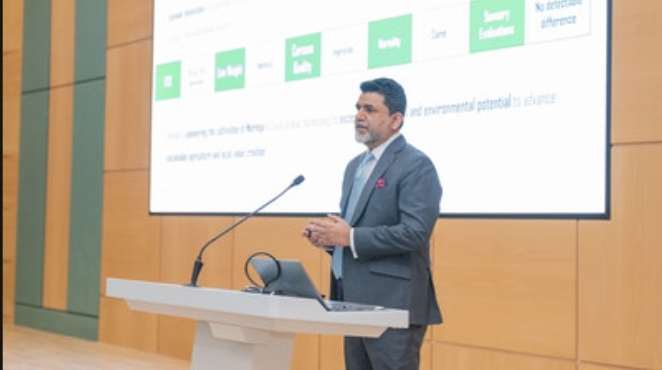
Tanmiah Food takes a Sustainability Leap: Pioneering Green Innovation in Saudi Food Production
In today’s world, where climate change and resource scarcity loom large, businesses face immense pressure to rethink their operational models. This challenge is especially pronounced in sectors like food production, which carry significant environmental footprints. Companies must innovate to enhance sustainability, operational efficiency, and regulatory alignment while maintaining profitability and customer satisfaction. Saudi Arabia’s Tanmiah Food Company is a compelling example of this journey — embracing technology and strategic collaborations to address complex environmental and operational challenges head-on.
Advancing Sustainability in Food Production: Real-World CX/EX Challenges
Tanmiah operates a fully integrated poultry and food production ecosystem spanning farms, hatcheries, feed mills, and processing plants. The scale and complexity bring typical challenges: managing carbon emissions, energy consumption, logistics, and supply chain pressures amid rapidly evolving regulatory expectations and consumer demand for greener products.
Moreover, the frontline employees and customers today expect companies to embed sustainability deeply into their operations, impacting employee experience (EX) and customer experience (CX). How do you marry operational efficiency, regulatory compliance, and stakeholder expectations while innovating? Tanmiah’s recent strategic agreements provide key insights into addressing these challenges.
Strategic MoUs: Paving the Way for Green Transformation
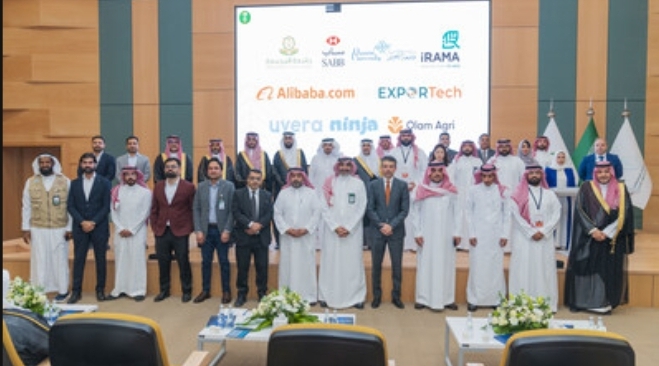
In November 2025, Tanmiah signed three influential Memorandums of Understanding (MoUs) with Schneider Electric, Strataphy, and Kayes Arabia. These partnerships aim to advance Saudi Arabia’s Vision 2030 environmental targets and fast-track Tanmiah’s decarbonization and energy efficiency initiatives.
- Schneider Electric collaboration focuses on carbon inventory assessment and setting Science Based Targets initiative (SBTi) emission reduction goals, including the Forest, Land, and Agriculture (FLAG) guidance. This initiative enhances supply chain decarbonization by supporting key suppliers through capacity-building exercises.
- Strataphy partnership introduces the region’s first geothermal-cooled poultry facility at Tanmiah’s Shaqrah site. This innovative geothermal cooling system, deployed under Strataphy’s Cooling as a Service (CaaS) model, offers a scalable low-carbon alternative for sustainable poultry farming.
- Kayes Arabia agreement converts diesel-powered farm and processing equipment to Liquefied Petroleum Gas (LPG), promising lower carbon emissions, operational cost savings, and improved energy efficiency.
These agreements underline Tanmiah’s commitment to sustainability through technological adoption and strategic collaboration, translating climate ambitions into measurable outcomes and business benefits.
Innovations in Action: Deep Dive into Solutions
Schneider Electric’s Carbon Management Expertise
With their global leadership in energy management and automation, Schneider Electric helps Tanmiah develop a comprehensive carbon footprint assessment. The company’s expertise facilitates precise emission tracking, setting credible, science-based reduction targets in alignment with international frameworks. Furthermore, their approach integrates supply chain decarbonization by engaging Tanmiah’s suppliers, ensuring the environmental impact of procurement is minimized. This holistic strategy supports Saudi Arabia’s broader net-zero ambitions and aligns Tanmiah’s business goals to global sustainability standards.
Geothermal Cooling: A Game-Changer in Poultry Farming
Cooling poultry farms is energy-intensive, traditionally relying on equipment powered by electricity or gas, often contributing significantly to operational carbon emissions. Strataphy’s geothermal cooling technology leverages subsurface heat exchange to maintain optimal temperatures sustainably. This system significantly reduces reliance on fossil fuels and electricity, driving notable energy cost savings.
Geothermal cooling not only enhances environmental credentials but also improves animal welfare. Temperature and humidity control in poultry houses reduces stress and mortality rates among birds, boosting productivity and potentially improving employee morale by fostering better operational conditions. The innovative Cooling as a Service model enables Tanmiah to implement this technology without upfront costs, scaling capacity as required. This pioneering project marks a first in the region, reinforcing Saudi Arabia’s and Tanmiah’s leadership in sustainable agri-food innovation.
LPG Conversion by Kayes Arabia: Cleaner and Cost-Effective Energy
The shift from diesel to LPG in farm and processing operations exemplifies practical energy transition. LPG burns cleaner, emits fewer pollutants, and improves energy efficiency compared to diesel. Kayes Arabia’s turnkey solutions for LPG system design, installation, and maintenance ensure safe and smooth conversion. This strategic move not only aligns with environmental protocols but also reduces operating expenses, delivering bottom-line benefits while supporting Saudi Arabia’s goal of cleaner fuel alternatives.
Sustainability at the Core: Broader Initiatives & Impacts
Beyond these MoUs, Tanmiah is embedding sustainability deeply within its operational DNA. The company’s initiatives include planting over a million trees to combat desertification, recycling billions of liters of wastewater annually, and converting organic waste into fertilizer. These efforts contribute cumulatively to a significant reduction in carbon emissions and resource conservation.
Tanmiah’s commitment has been validated by ESG (Environmental, Social, Governance) rating improvements, signifying progress in corporate responsibility and risk management. Such advancements bolster brand reputation, stakeholder trust, and create a positive workplace environment, enhancing both CX and EX.
Expert Perspectives
Zulfiqar Hamadani, CEO of Tanmiah Food Company, remarked that these initiatives mark a defining moment in their sustainability journey. He emphasized that integrating technology, innovation, and partnerships is central to transforming climate ambitions into real business outcomes. This approach positions Tanmiah as a leader in sustainable food production, directly contributing to Vision 2030’s environmental transformation goals.
From Schneider Electric’s side, Mohamed Shaheen, CEO of Schneider Electric Saudi Arabia, highlighted the importance of collaborative innovation in achieving net-zero ambitions. He noted that embedding digital transformation and energy management solutions is vital to evolving industries sustainably.
Lessons for CX/EX Professionals
Tanmiah’s case demonstrates the critical link between sustainability, operational efficiency, and stakeholder experience. For CX and EX leaders navigating real-world challenges in their organizations, key takeaways include:
- Embed sustainability as a core strategy rather than a peripheral initiative to drive meaningful change and inspire employee and customer trust.
- Leverage technology and data such as IoT, AI, and digital energy management to drive transparency, measurable impact, and operational excellence.
- Form strategic partnerships for access to expertise, scalable innovation, and shared risk, enhancing organizational agility and sustainability impact.
- Focus on impact both upstream and downstream—from supply chain decarbonization to customer value delivery—to create holistic and sustainable business models.
- Champion innovation that improves employee conditions while boosting efficiency to foster positive employee experience, engagement, and productivity.
- Communicate outcomes transparently to customers and stakeholders to build reputation and loyalty grounded in authentic sustainability leadership.
Actionable Recommendations for CX/EX Leaders
- Conduct a baseline sustainability assessment within your operations and supply chains to identify priority areas for carbon reduction.
- Explore emerging green technologies relevant to your sector that can enhance operational efficiency and reduce environmental impact.
- Develop partnerships with technology innovators, suppliers, and industry peers to co-create scalable sustainability solutions.
- Align sustainability initiatives with employee experience programs to boost morale and embed an innovation mindset.
- Utilize data and digital tools to set measurable goals, monitor progress, and report transparently to build trust and accountability.
- Engage customers by demonstrating your sustainability credentials through storytelling and evidence-based reporting.
Tanmiah Food Company’s recent strides offer a powerful blueprint for sustainable transformation in food production. Their strategic use of innovative technology, collaborative partnerships, and embedded sustainability principles not only advance environmental goals but enrich customer and employee experience alike. This integrated approach is crucial for all CX/EX professionals who aspire to lead change that drives both business impact and a sustainable future.
