Empowering Dignity with Vyomini Workshops: When Awareness Redefines the Customer Journey
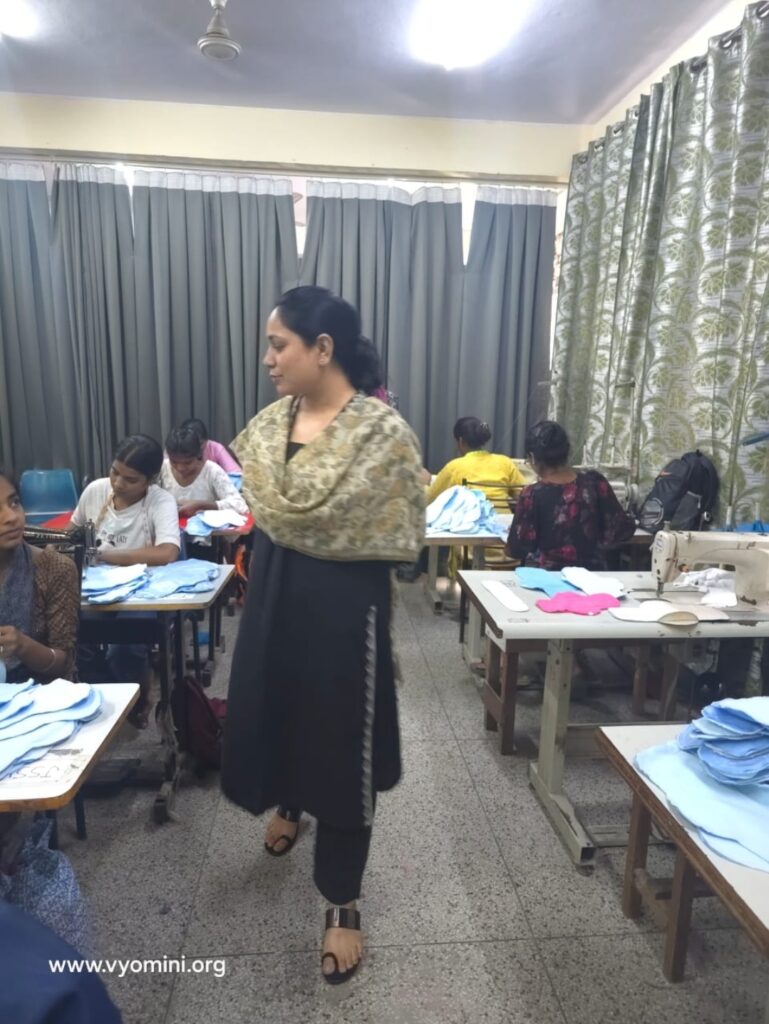
Picture a young woman in rural Delhi, hesitant at her first menstrual workshop, myths swirling like shadows. She leaves equipped—not just with kits, but empowered knowledge that turns vulnerability into confidence. This isn’t charity; it’s a masterclass in CX design, where education becomes the ultimate loyalty lever. In intimate wellness, one conversation shifts hesitation to advocacy, proving empathy scales impact.
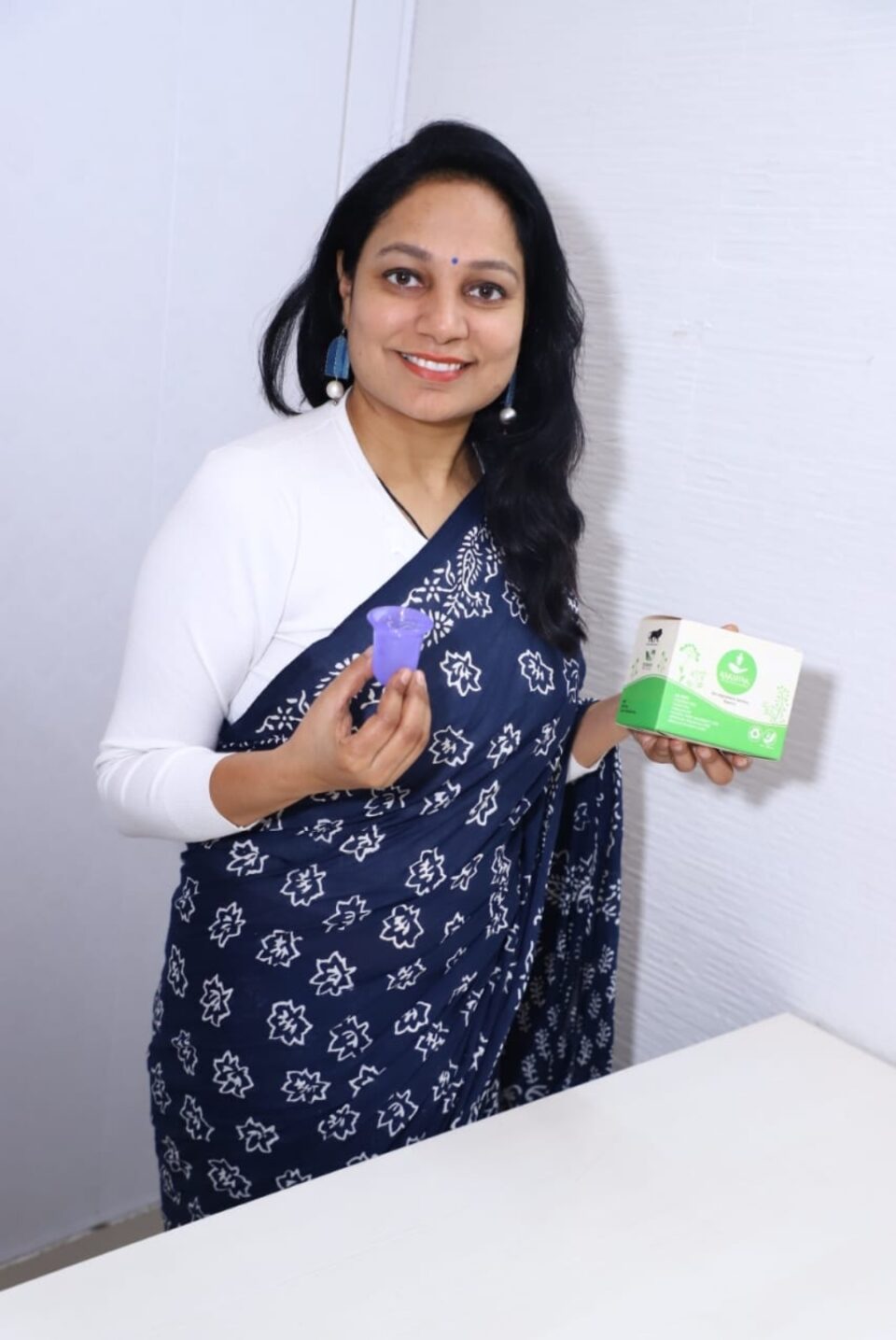
Prachi Kaushik, Founder & Director of Vyomini Social Foundation, brings unmatched E-E-A-T credentials. Her organization has conducted over 15,000 menstrual health workshops, educated 3 million+ women, and sparked 10,000 women entrepreneurs across India. Prachi’s grassroots expertise blends nonprofit grit with scalable behavior change, making her a CX pioneer in underserved wellness journeys.
For this strategic nonprofit leader interview—at intermediate depth focusing on outcomes and stories—Prachi unpacks how Vyomini workshops craft trust-driven experiences.
Initial Hesitation to Walking Away with Hygiene Kits
Q1. Walk us through a typical participant’s journey during the workshop—from initial hesitation to walking away with hygiene kits.
PK: At the beginning of the workshop, participants often arrive with hesitation and discomfort, as menstrual health is still considered an unimportant or taboo topic in many communities. Through interactive discussions, we gradually break the ice by addressing common myths, taboos, and the real impact of poor menstrual hygiene on women’s health. As the session progresses, participants begin to open up, share personal experiences, and ask questions they’ve never voiced before. When they receive free hygiene kits, they not only get access to essential products but also the confidence to manage their periods with dignity. Trying these products later reinforces their learning and boosts their self-assurance in adopting hygienic practices.
Q2. What common myths about menstrual health did you bust, and how did that shift women’s confidence in managing their hygiene?
PK: We addressed several deep-rooted myths, such as not bathing during periods, considering women impure, restricting certain foods, and enforcing social isolation. By explaining the scientific basis of menstruation and the importance of hygiene, we helped participants understand that these practices have no factual foundation. Many women admitted that they followed these customs out of habit or social pressure rather than belief. After the workshop, they expressed a sense of liberation and confidence, realising they could care for themselves better without guilt or fear.
Feedback Loops to Measure Impact
Q3. How do these grassroots workshops create long-term behavioral change, and what feedback loops do you use to measure impact?
PK: Our workshops are conducted in local languages to ensure clarity and comfort. We use pre- and post-assessment forms to measure changes in knowledge, attitudes, and practices. Participants share their initial beliefs and later reflect on what they’ve learned. The results consistently show improved understanding of menstrual hygiene management and a willingness to abandon taboos. Many participants also report feeling more prepared to handle menstrual challenges and to educate others, creating a ripple effect of awareness in their communities.
Q4. From a CX perspective, how does educating underprivileged women build trust that extends to brand advocacy or repeat engagement?
PK: Education builds trust through empathy and consistency. Our workshops are not one-time events but part of a continuous engagement model. Women often reach out privately or through phone calls with follow-up questions, showing that they trust our team as a reliable source of guidance. By maintaining a friendly, non-judgmental approach, we create a safe space for ongoing dialogue. This sustained relationship transforms participants into advocates who share their positive experiences and encourage others to join future sessions.
Metrics to Show Awareness Initiatives
Q5. What metrics (e.g., retention in follow-up programs) show how awareness initiatives like this drive loyalty in nonprofit-partnered wellness efforts?
PK: We have achieved around 80% retention in follow-up programs, reflecting strong participant trust and engagement. Our post-workshop medical camps consistently attract large gatherings, showing continued interest and involvement. Additionally, our partnerships with over 200 NGOs and several startups amplify our reach and reinforce the credibility of our menstrual hygiene initiatives. These collaborations and high retention rates demonstrate that awareness, when paired with consistent support, leads to lasting behavioural change and community loyalty.
Key Takeaways: Dignity as CX Currency
Prachi Kaushik, Founder & Director of Vyomini Social Foundation, spotlights Vyomini workshops as blueprints for empathy-led CX: myth-busting sparks confidence, kits anchor journeys, and metrics track loyalty. These stories echo CXQuest hubs like CSR Innovation and Wellness EX—where purpose fuels retention.
CX leaders, audit your underserved touchpoints. Host a workshop? Partner nonprofits? Start today—empower dignity, harvest trust.
Share your CX myth-bust below.
