
Picture this: A busy Bengaluru professional rushes into a bank branch. She taps a kiosk for her account statement. Seconds later, “Aditi” appears on screen, greeting her in Kannada and suggesting a personalized loan upgrade. No queues. No frustration. Just fluid service. This is Phygital Banking.
This scenario unfolds at Bank of Baroda’s new Phygital Branch. CX leaders face siloed digital-physical channels daily. Customers abandon journeys mid-way. Teams scramble across apps and branches. Phygital banking fuses both worlds. It delivers unified experiences that boost loyalty and cut costs.
What Is Phygital Banking and Why Do CX Teams Need It?
Phygital banking merges physical branches with digital tools for seamless customer journeys. CX teams need it to bridge gaps in fragmented experiences.
India’s banking sector leads this shift. Public sector banks like Bank of Baroda now operate 11 phygital branches nationwide. Customers handle routine tasks via kiosks while accessing human advisors for complex needs. This model tackles siloed teams head-on. Digital adoption hit over 75% for new accounts in similar setups.
Dr. Debadatta Chand, Managing Director & CEO of Bank of Baroda, captures the vision: “We are reimagining the branch as an experience centre… The initiative of the Bank’s Virtual Relationship Manager – ‘Aditi’ reinforces our commitment to deliver convenient, personalised and future-ready banking.”
How Does Bank of Baroda’s Phygital Model Work?
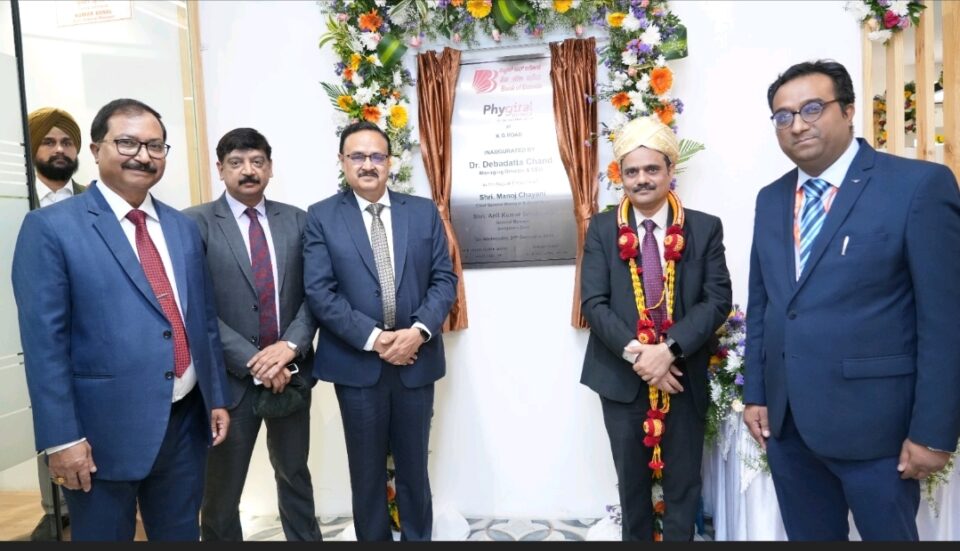
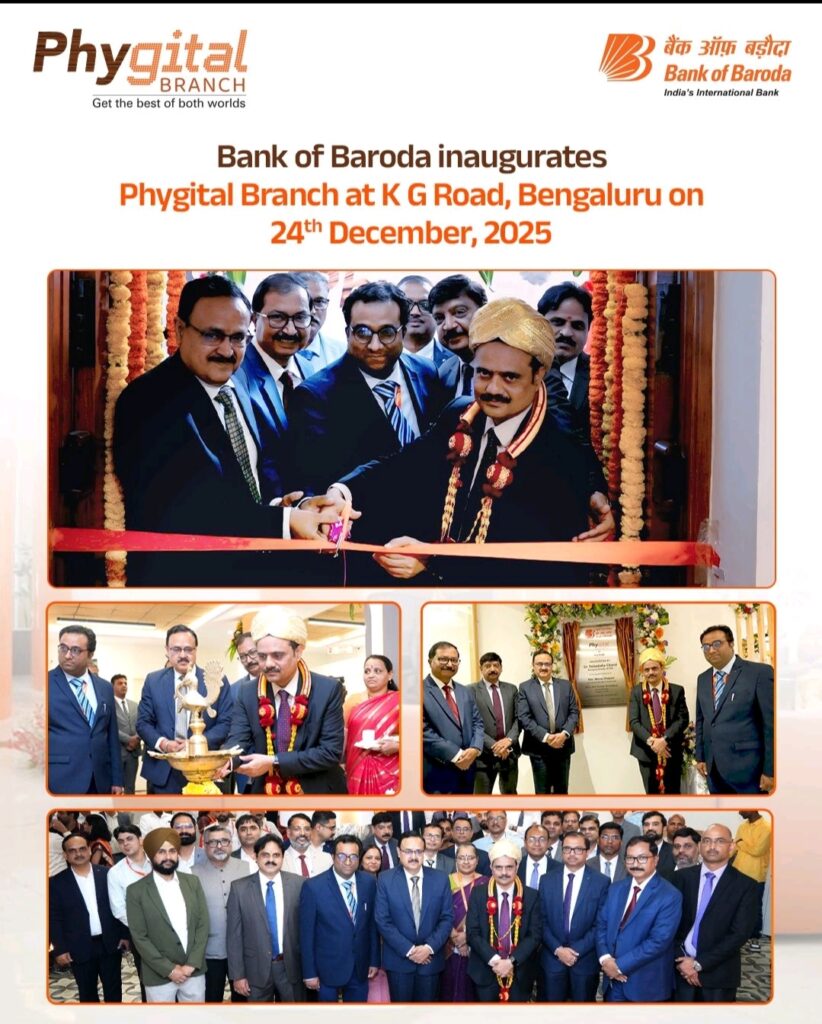
Bank of Baroda launched its second Bengaluru phygital branch on KG Road. Customers enjoy self-service kiosks for PAN updates and TDS certificates. Video Contact Centres handle non-financial queries like loan enquiries. Universal Service Desks offer in-person support.
Aditi, the GenAI-powered Virtual Relationship Manager, stands out. She provides 24/7 audio, video, and chat assistance in multiple languages. Customers enroll via the bank’s portal. Aditi analyzes needs in real-time, offering tailored advice. This setup empowers users while preserving trust in physical spaces.
The Bengaluru zone serves 298 branches, 47% rural. Phygital scales urban innovation to underserved areas. It reduces branch pressure. Routine transactions shift digital, freeing staff for high-value interactions.
What Real Outcomes Prove Phygital’s CX Impact?
Phygital delivers measurable wins. Banks report 30-50% drops in wait times. Customer satisfaction rises up to 25% with AI assistants. One Asian bank grew online users from 2.9 million to over 4 million post-phygital rollout. Transactions digitized to 90%.
Bank of America’s Erica processed over 2 billion interactions. It boosted satisfaction by analyzing spending and flagging fraud. JPMorgan Chase saved 360,000 hours yearly via AI platforms. In India, phygital KYC speeds onboarding even in low-bandwidth rural spots.
Key metrics from phygital leaders:
- NPS uplift: 15-30% from unified journeys [1][2].
- Cost savings: Digital transactions cost 10x less than branches [3].
- Adoption surge: 75% new accounts via phygital channels [4].
These outcomes address CX pain points like journey fragmentation. Customers switch channels without friction. Loyalty follows.
Why Do CX Teams Struggle with Phygital Implementation?
Many teams hit roadblocks. Legacy systems resist integration. Siloed data hinders personalization. Staff resist change from traditional roles. Rural connectivity lags, limiting video tools.
Common pitfalls:
- Tech silos: Digital apps ignore branch data, creating disjointed views.
- Training gaps: Agents lack AI collaboration skills.
- Scalability issues: Pilot successes fail at enterprise level.
- Privacy fears: Customers hesitate with AI data handling.
Bank of Baroda counters this. Aditi enrolls users gradually. Kiosks build digital confidence. Universal desks reassure skeptics. Success demands cross-team alignment from day one.
What Frameworks Guide Phygital CX Success?
Use the Phygital Journey Framework for structured rollout. Map customer paths across channels. Identify fusion points. Prioritize high-friction spots like onboarding.
| Framework Stage | Focus Area | Key Action | Expected Outcome |
|---|---|---|---|
| Assess | Current gaps | Audit silos and metrics | Baseline NPS/CSAT |
| Design | Unified journeys | Integrate AI-physical touchpoints | 20% effort reduction |
| Build | Tech stack | Deploy kiosks, VRMs, video centres | 75% digital shift |
| Test | Pilot branches | Measure adoption and feedback | Refine personalization |
| Scale | Enterprise-wide | Train teams, monitor KPIs | 25% satisfaction gain [2] |
Phygital Maturity Model rates banks:
- Level 1: Basic digital add-ons.
- Level 2: Channel integration.
- Level 3: AI-driven personalization.
- Level 4: Predictive, proactive service.
Bank of Baroda hits Level 3. Aditi predicts needs via GenAI. CXQuest.com explores these in our AI in CX hub.
Key Insights from Phygital Pioneers
Phygital thrives on empathy plus efficiency. Aditi humanizes AI with conversational tones. Self-service empowers 57% of digital-preferring customers.
Global examples inspire: Starbucks apps suggest orders for branch pickup. Reformation’s magic wardrobes deliver try-ons via tablets. In banking, Progressive’s Flo chatbot files claims instantly.
India’s trends accelerate. UPI and Aadhaar enable embedded finance. By 2025, phygital hits rural India via 2G-compatible tools. RBI’s Financial Inclusion Index rose to 67. Banks blend trust-building branches with digital speed.
FAQ: Phygital Banking Essentials
What makes Aditi different from standard chatbots?
Aditi uses GenAI for natural conversations across audio, video, and chat. She handles complex queries like loan personalization 24/7 in multiple languages, unlike rule-based bots limited to FAQs.
How does phygital reduce CX fragmentation?
It creates omnichannel continuity. Start a loan enquiry via app, continue at kiosk, finalize in-person. Data syncs seamlessly, cutting drop-offs by 40%.
What ROI can CX leaders expect from phygital branches?
Expect 15-30% NPS gains, 10x cost savings per digital transaction, and 90% transaction digitization. One bank added 30k applicants post-launch.
How to overcome rural phygital challenges in India?
Deploy low-bandwidth video KYC and offline-capable kiosks. Train agents for hybrid support. UPI integration builds trust in semi-urban zones.
Is phygital just for urban millennials?
No. 47% of Bank of Baroda‘s Bengaluru branches serve rural users. Universal desks cater to elders preferring face-to-face while youth use Aditi.
How long to see phygital implementation results?
Pilots show gains in 3-6 months. Full rollout yields 20-25% metrics uplift within a year, per Asian bank cases.
Actionable Takeaways for CX Pros
- Audit journeys now: Map top 5 customer paths. Spot digital-physical breaks.
- Pilot one branch: Install kiosks and video centres. Test Aditi-like VRM.
- Unify data platforms: Integrate CRM with branch systems for real-time views.
- Train hybrid teams: Upskill agents on AI handoffs and personalization.
- Measure leading indicators: Track CES, FCR, and channel switches weekly.
- Personalize proactively: Use GenAI for need predictions, like spending insights.
- Scale rural-first: Adapt tools for 2G with offline modes and local languages.
- Iterate via feedback: Run NPS surveys post-interaction. Refine quarterly.
Phygital banking redefines CX. CXQuest.com tracks these trends.
